
Balanced
Diverse and stable, your microbes do their jobs well.
- Smooth digestion
- Stronger immunity
- Steadier mood and energy
Phenome Longevity
The trillions of microbes living in your gut, mouth, and body shape your digestion, immunity, mood, and long term health. Understanding them is one of the most powerful tools for your wellbeing.



Your microbiome is the community of trillions of microbes that live in and on your body, unique to you, shaped by genetics, diet, environment, and lifestyle. Far from passive passengers, they work alongside your organs every day.
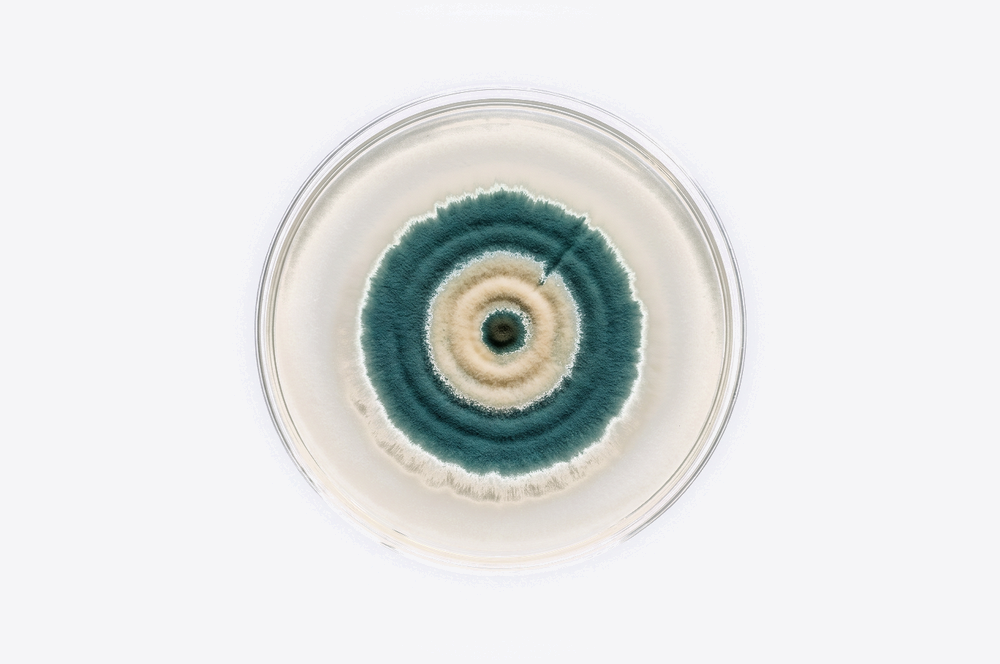

Break down what you eat so your body can absorb it.
Make vitamins and other compounds your body needs.
Help teach your immune system what to defend against.
Send signals that influence mood and stress through the gut-brain axis.
Your report shows where you stand: each measure marked within, above or below its reference range.
Diverse and stable, your microbes do their jobs well.

Knocked off balance by processed diets, stress, or antibiotics.
The body hosts many microbial communities. We sequence two of them: the one in your gut, and the one in your mouth.

Shotgun metagenomic sequencing, 16 health domains

Shotgun metagenomic sequencing, 700+ species
The gut microbiome is a central regulator of human health, influencing digestion, immune function, metabolism, energy levels, and brain-gut signalling linked to mood and cognitive clarity.
When balanced, these systems function optimally. When disrupted (microbial dysbiosis), measurable imbalances can affect multiple aspects of daily health.

Hosted in your gut

vs 20,000 in human DNA

Located in the gut

Linked to gut imbalance
01/ 04




Two tests, one app. The Gut and Oral Microbiome Tests read the DNA of everything in your sample with shotgun metagenomic sequencing, then set each microbe against a reference population.
Diversity
Richness, Shannon diversity, evenness and your F/B ratio, each against its range
Bacterial populations
The major phyla, from Firmicutes to Euryarchaeota, and where you sit in each
Disease risk associations
40 gut conditions scored from the bacterial markers linked to each
Microbe groups
Butyrate producers, probiotics, pathogens and Candida in your gut
Oral health
13 conditions, from gum disease and tooth decay to high blood pressure
Protective species
The protective and disease associated species behind each oral condition

Good morning, Alex
Gut Health Analysis
Generate PDF
Your gut microbiome analysis reveals insights about bacterial diversity, population balance, and health implications based on your unique microbial composition.
Overall Score
Good
Diversity Analysis
Species richness & microbial balance evaluation
View all 4 findings
Bacterial Balance
Population distribution across major phyla
View all 5 findings
Health Risk Assessment
Disease-associated bacterial markers
View all 40 findings
Your gut microbiome analysis reveals the composition and diversity of bacteria in your digestive system, providing insights into your digestive health, immune function, and disease risk.
Diversity Analysis
Species richness & microbial balance evaluation
Total Metrics
In Range
Out of Range
Your Microbiome Diversity
Firmicutes / Bacteroidetes (F/B) Ratio
F/B ratio measurement
Richness
Number of different species
Evenness
Distribution balance
Diversity
Shannon diversity index
View all 4 findings
Bacterial Balance
Population distribution across major phyla
Phyla
Normal
Imbalanced
Your Bacterial Populations
Bacteroidetes
Fiber-digesting bacteria
Firmicutes
Energy-harvesting bacteria
Proteobacteria
Potentially inflammatory
Euryarchaeota
Methane-producing archaea
View all 5 findings
Health Risk Assessment
Disease-associated bacterial markers
Conditions
High Risk
Categories
Disease Risk Associations
Cardiovascular
4 condition(s) analyzed
Metabolic
5 condition(s) analyzed
Gastrointestinal
11 condition(s) analyzed
Psychological
2 condition(s) analyzed
View all 40 findings
About Diversity Analysis
Your gut microbiome diversity is measured through multiple indices including species richness, Shannon diversity index, and Firmicutes/Bacteroidetes ratio. Higher diversity typically indicates better gut health and resilience.
Diversity Analysis
Microbiome Diversity
Detailed analysis of species richness and distribution
This page contains detailed diversity metrics including species richness, Shannon diversity index, evenness measures, and Firmicutes/Bacteroidetes ratio analysis.
Firmicutes / Bacteroidetes (F/B) Ratio
F/B ratio measurement
Your Value: 0.59
Analysis
Your microbiome is well balanced. This means that the bacteria are evenly distributed.
Recommendation
You can increase the number of Bacteroidetes by changing your diet to one rich in fiber from sources such as flaxseed, legumes, and whole grains.
Richness
Number of different species
Your Value: 212 species
Analysis
Your microbiome is well balanced. This means that the bacteria are evenly distributed.
Recommendation
Enriching your diet with insoluble fibers supports microbial diversity. Whole grains, rice, fruits, and vegetables are rich sources of fiber.
Evenness
Distribution balance
Your Value: 0.63
Analysis
The microbial diversity in your gut could be better. If species richness is high, your microbiome can help you fight diseases more effectively. You will find tips on how to increase the diversity of your microbiome with personalized recommendations.
Recommendation
Overall microbial diversity increases with the consumption of probiotics, fermented foods, vegetables, and other healthy foods, while reducing the intake of sugar, red meat, and processed foods.
Diversity
Shannon diversity index
Your Value: 4.86
Analysis
Your microbiome is well balanced. This means that the bacteria are evenly distributed.
Recommendation
Enriching your diet with insoluble fibers supports microbial diversity. Whole grains, rice, fruits, and vegetables are rich sources of fiber.
Good morning, Alex
Gut Health Analysis
Generate PDF
View all 40 findings
Your gut microbiome analysis reveals the composition and diversity of bacteria in your digestive system, providing insights into your digestive health, immune function, and disease risk.
Diversity Analysis
Species richness & microbial balance evaluation
Total Metrics
In Range
Out of Range
Your Microbiome Diversity
Firmicutes / Bacteroidetes (F/B) Ratio
F/B ratio measurement
Richness
Number of different species
Evenness
Distribution balance
Diversity
Shannon diversity index
View all 4 findings
Bacterial Balance
Population distribution across major phyla
Phyla
Normal
Imbalanced
Your Bacterial Populations
Bacteroidetes
Fiber-digesting bacteria
Firmicutes
Energy-harvesting bacteria
Proteobacteria
Potentially inflammatory
Euryarchaeota
Methane-producing archaea
View all 5 findings
Health Risk Assessment
Disease-associated bacterial markers
Conditions
High Risk
Categories
Disease Risk Associations
Cardiovascular
4 condition(s) analyzed
Metabolic
5 condition(s) analyzed
Gastrointestinal
11 condition(s) analyzed
Psychological
2 condition(s) analyzed
View all 40 findings
About Bacterial Balance
This analysis examines the relative abundances of major bacterial phyla in your gut, including Firmicutes, Bacteroidetes, Proteobacteria, and Actinobacteria. Imbalances can indicate dysbiosis.
Health Risk Assessment
Health Risk Assessment
Disease-associated bacterial markers analysis
Your gut microbiome composition is analyzed for associations with various health conditions. Higher scores indicate lower disease risk based on beneficial bacterial patterns.
Summary Overview
Total Diseases
Categories
Out of Range
Low Risk
Search diseases...
Risk Score Ranges
High Risk
Medium Risk
Low Risk
Cardiovascular
4 condition(s) analyzed
Thrombosis
Risk Score
LOW RISK
High Risk
Low Risk
Analysis
The abundance of gut bacterial species associated with lowered risk of thrombosis is excellent.
Recommendations
The gut microbiome plays a significant role in thrombosis. Just as it is for every healthy individual, consuming olive oil rich in polyphenols at least once a week can reduce platelet activity and potentially decrease the risk of blood clotting.
Associated Bacteria
Protective Bacteria
Arrythmia
Risk Score
LOW RISK
High Risk
Low Risk
Analysis
Gut bacterial species scientifically associated with lowered risk for arrhythmia are at a good level!
Recommendations
There appears to be a moderate risk for arrhythmia. Nonetheless, dietary guidance for preventing arrhythmia aligns with recommendations for maintaining overall bodily health. The American Heart Association (AHA) suggests that those with arrhythmia limit their intake of saturated fats, cholesterol, and salt as much as possible. Caffeine should also be consumed in moderation. The diet should emphasize fruits, vegetables, whole grains, low-fat or fat-free dairy products, lean meats (primarily white meat), and nuts. These dietary suggestions closely resemble the Mediterranean Diet. Hence, the Mediterranean Diet can be deemed most suitable for those with arrhythmia.
Associated Bacteria
Protective Bacteria
High Cholesterol
Risk Score
MEDIUM RISK
High Risk
Low Risk
Analysis
The abundance of gut bacterial species scientifically associated with lowered risk for high cholesterol is good.
Recommendations
You might be considered at a moderate risk for high cholesterol. To maintain cholesterol levels at optimal ranges, the following suggestions can be made: - Consume plenty of vegetables (5 servings per day), fruits (2-4 servings per day), and whole grains (opt for seeded breads over white bread, brown rice, and high-fiber cereals). - Prioritize various healthy protein sources, especially fish and seafood. The intake of legumes, nuts, and oily seeds is also recommended. - Eggs and lean poultry can be consumed in smaller amounts. - Limit lean red meat to 1-3 times per week. It's advisable to avoid processed meats (like sausages, ham, salami, etc.). - Increase the consumption of legumes like lentils, chickpeas, and beans. - For dairy products like milk, yogurt, and cheese, it's better to choose reduced-fat options.
Associated Bacteria
Protective Bacteria
Hypertension
Risk Score
LOW RISK
High Risk
Low Risk
Analysis
You have acceptable bacteria levels associated with hypertension.
Recommendations
A dietary approach with reduced salt and fat content is recommended. Consuming fermented foods rich in probiotics, fibrous foods with prebiotic properties, vegetables, whole grains, and foods containing plant-based oils will positively promote and maintain healthy bacteria.
Associated Bacteria
Protective Bacteria
Metabolic
5 condition(s) analyzed
Diabetes T2
Risk Score
MEDIUM RISK
High Risk
Low Risk
Analysis
The abundance of gut bacteria associated with lowered risk of diabetes T2 is acceptable.
Recommendations
Your risk for developing diabetes may be considered moderate. Maintaining a healthy metabolism and keeping the risk of diabetes low throughout life remains essential. It's vital to adopt a healthy lifestyle overall. The three primary recommendations remain the same: regular exercise, a healthy diet, and lifelong weight management. Individuals in the moderate risk group should heed the following dietary advice: - Limit refined sugar consumption. - Consume foods rich in saturated fats and cholesterol, like meat, milk, yogurt, cheese, and eggs, only in specific amounts. - Opt for smaller, more frequent meals. For a healthy diet, foods containing the following nutritional components should be consumed in adequate amounts and in a balanced manner within meals: - Carbohydrates (grains, flour-based foods, legumes, potatoes, vegetables, fruits, milk, yogurt) - Protein (meat, eggs, cheese, milk, yogurt) - Fats (oils and foods like meat, eggs, cheese, milk, and yogurt that contain fats) - Vitamins and Minerals (primarily from vegetables and fruits, but also from all foods) - Fiber (vegetables, fruits, whole grains)
Associated Bacteria
Protective Bacteria
Gluten intolerance
Risk Score
LOW RISK
High Risk
Low Risk
Analysis
The level of bacteria that could indicate a risk for the development of gluten intolerance is in an acceptable condition. The quantity of bacteria known to be protective against gluten intolerance is also at an acceptable level. The amount of protective bacteria can be increased, and the levels of bacteria that might pose a risk can be reduced.
Recommendations
Individuals with a medium level of risk for gluten intolerance may opt for a gluten-free diet to protect gut health or occasionally implement an elimination diet. Gluten-containing grains include wheat, barley, and rye. Fish, chicken, unprocessed meat, rice, potatoes, corn, chickpeas, chickpea flour, millet, buckwheat, and quinoa, eggs, jam, honey, and spices do not contain gluten and can be consumed in a gluten-free diet.
Associated Bacteria
Protective Bacteria
Lactose intolerance
Risk Score
MEDIUM RISK
High Risk
Low Risk
Analysis
The level of bacteria that could indicate a risk for the development of lactose intolerance is in an acceptable condition. The quantity of bacteria known to be protective against lactose intolerance is also at an acceptable level. The amount of protective bacteria can be increased, and the levels of bacteria that might pose a risk can be reduced.
Recommendations
Individuals with a medium level of risk for lactose intolerance may opt for a lactose-free diet to protect gut health or occasionally implement an elimination diet. Lactose-containing foods include all milk and dairy products. Fermented dairy products like kefir, yogurt, and cheese contain less lactose and can be consumed in moderation, depending on the individual's digestive system's reaction.
Associated Bacteria
Protective Bacteria
Nonalcoholic fatty liver disease (NAFLD)
Risk Score
LOW RISK
High Risk
Low Risk
Analysis
The levels of bacteria that could indicate risk for the development of NAFLD are acceptable. The quantity of bacteria known to be protective against NAFLD is also at an acceptable level. The quantity of protective bacteria can be improved, and the amounts of potentially risky bacteria can be reduced.
Recommendations
The Mediterranean diet is the most recommended dietary model for managing liver fat accumulation. Independent of calorie restriction, it has shown the ability to improve liver steatosis in various studies. Traditionally plant-based, the Mediterranean diet consists of whole grains, legumes, fruits, and vegetables. It is lower in carbohydrates, especially limited simple sugars and refined carbs, and rich in monounsaturated fats (mostly from olive oil) and omega-3 fatty acids. It includes limited red meat and low-fat dairy products. A diet rich in polyphenols, flavonoids, and carotenoids should be adopted for life. Specifically, fruit sugar fructose and all other sugars should be limited.
Associated Bacteria
Protective Bacteria
Type 1 Diabetes
Risk Score
LOW RISK
High Risk
Low Risk
Analysis
Your microbiome shows a predominance of balanced and healthy bacterial types, which may reduce the risk of Type 1 Diabetes.
Recommendations
You can reduce your risk of Type 1 Diabetes by increasing your bacterial diversity and consuming foods that support a healthy microbiome.
Associated Bacteria
Protective Bacteria
Good morning, Alex
Oral Health Analysis
Generate PDF
Your oral microbiome analysis reveals insights about bacterial diversity, population balance, and health implications based on your unique microbial composition.
Overall Score
Excellent
Diversity Analysis
Species richness & microbial balance evaluation
View all 4 findings
Bacterial Balance
Population distribution across major phyla
View all 5 findings
Health Risk Assessment
Disease-associated bacterial markers
View all 13 findings
Your oral microbiome analysis reveals the composition and diversity of bacteria in your mouth, providing insights into your oral health, immune function, and disease risk.
Diversity Analysis
Species richness & microbial balance evaluation
Total Metrics
In Range
Out of Range
Your Microbiome Diversity
Firmicutes / Bacteroidetes (F/B) Ratio
F/B ratio measurement
Richness
Number of different species
Evenness
Distribution balance
Diversity
Shannon diversity index
View all 4 findings
Bacterial Balance
Population distribution across major phyla
Phyla
Normal
Imbalanced
Your Bacterial Populations
Firmicutes
Energy-harvesting bacteria
Proteobacteria
Potentially inflammatory
Bacteroidetes
Fiber-digesting bacteria
Actinobacteria
Immune-supporting bacteria
View all 5 findings
Health Risk Assessment
Disease-associated bacterial markers
Conditions
High Risk
Categories
Disease Risk Associations
Dental
4 condition(s) analyzed
Cardiovascular
1 condition(s) analyzed
Metabolic
1 condition(s) analyzed
Gastrointestinal
1 condition(s) analyzed
View all 13 findings
About Diversity Analysis
Your oral microbiome diversity is measured through multiple indices including species richness, Shannon diversity index, and bacterial ratios. Higher diversity typically indicates better oral health.
Good morning, Alex
Gut Health Analysis
Generate PDF
Your gut microbiome analysis reveals insights about bacterial diversity, population balance, and health implications based on your unique microbial composition.
Overall Score
Good
Diversity Analysis
Species richness & microbial balance evaluation
View all 4 findings
Bacterial Balance
Population distribution across major phyla
View all 5 findings
Health Risk Assessment
Disease-associated bacterial markers
View all 40 findings
Your gut microbiome analysis reveals the composition and diversity of bacteria in your digestive system, providing insights into your digestive health, immune function, and disease risk.
Diversity Analysis
Species richness & microbial balance evaluation
Total Metrics
In Range
Out of Range
Your Microbiome Diversity
Firmicutes / Bacteroidetes (F/B) Ratio
F/B ratio measurement
Richness
Number of different species
Evenness
Distribution balance
Diversity
Shannon diversity index
View all 4 findings
Bacterial Balance
Population distribution across major phyla
Phyla
Normal
Imbalanced
Your Bacterial Populations
Bacteroidetes
Fiber-digesting bacteria
Firmicutes
Energy-harvesting bacteria
Proteobacteria
Potentially inflammatory
Euryarchaeota
Methane-producing archaea
View all 5 findings
Health Risk Assessment
Disease-associated bacterial markers
Conditions
High Risk
Categories
Disease Risk Associations
Cardiovascular
4 condition(s) analyzed
Metabolic
5 condition(s) analyzed
Gastrointestinal
11 condition(s) analyzed
Psychological
2 condition(s) analyzed
View all 40 findings
About Diversity Analysis
Your gut microbiome diversity is measured through multiple indices including species richness, Shannon diversity index, and Firmicutes/Bacteroidetes ratio. Higher diversity typically indicates better gut health and resilience.
Your PDF Report is Being Generated
It will appear in your in-app inbox within 5-10 minutes.
Close
Your results open with an overall score for your gut, then three panels: diversity, bacterial populations and disease risk.
Good morning, Alex
Gut Health Analysis
Generate PDF
Your gut microbiome analysis reveals insights about bacterial diversity, population balance, and health implications based on your unique microbial composition.
Overall Score
Good
Diversity Analysis
Species richness & microbial balance evaluation
View all 4 findings
Bacterial Balance
Population distribution across major phyla
View all 5 findings
Health Risk Assessment
Disease-associated bacterial markers
View all 40 findings
Your gut microbiome analysis reveals the composition and diversity of bacteria in your digestive system, providing insights into your digestive health, immune function, and disease risk.
Diversity Analysis
Species richness & microbial balance evaluation
Total Metrics
In Range
Out of Range
Your Microbiome Diversity
Firmicutes / Bacteroidetes (F/B) Ratio
F/B ratio measurement
Richness
Number of different species
Evenness
Distribution balance
Diversity
Shannon diversity index
View all 4 findings
Bacterial Balance
Population distribution across major phyla
Phyla
Normal
Imbalanced
Your Bacterial Populations
Bacteroidetes
Fiber-digesting bacteria
Firmicutes
Energy-harvesting bacteria
Proteobacteria
Potentially inflammatory
Euryarchaeota
Methane-producing archaea
View all 5 findings
Health Risk Assessment
Disease-associated bacterial markers
Conditions
High Risk
Categories
Disease Risk Associations
Cardiovascular
4 condition(s) analyzed
Metabolic
5 condition(s) analyzed
Gastrointestinal
11 condition(s) analyzed
Psychological
2 condition(s) analyzed
View all 40 findings
About Diversity Analysis
Your gut microbiome diversity is measured through multiple indices including species richness, Shannon diversity index, and Firmicutes/Bacteroidetes ratio. Higher diversity typically indicates better gut health and resilience.
Richness, Shannon diversity, evenness and your F/B ratio, each marked low, normal or high against its range.
Diversity Analysis
Microbiome Diversity
Detailed analysis of species richness and distribution
This page contains detailed diversity metrics including species richness, Shannon diversity index, evenness measures, and Firmicutes/Bacteroidetes ratio analysis.
Firmicutes / Bacteroidetes (F/B) Ratio
F/B ratio measurement
Your Value: 0.59
Analysis
Your microbiome is well balanced. This means that the bacteria are evenly distributed.
Recommendation
You can increase the number of Bacteroidetes by changing your diet to one rich in fiber from sources such as flaxseed, legumes, and whole grains.
Richness
Number of different species
Your Value: 212 species
Analysis
Your microbiome is well balanced. This means that the bacteria are evenly distributed.
Recommendation
Enriching your diet with insoluble fibers supports microbial diversity. Whole grains, rice, fruits, and vegetables are rich sources of fiber.
Evenness
Distribution balance
Your Value: 0.63
Analysis
The microbial diversity in your gut could be better. If species richness is high, your microbiome can help you fight diseases more effectively. You will find tips on how to increase the diversity of your microbiome with personalized recommendations.
Recommendation
Overall microbial diversity increases with the consumption of probiotics, fermented foods, vegetables, and other healthy foods, while reducing the intake of sugar, red meat, and processed foods.
Diversity
Shannon diversity index
Your Value: 4.86
Analysis
Your microbiome is well balanced. This means that the bacteria are evenly distributed.
Recommendation
Enriching your diet with insoluble fibers supports microbial diversity. Whole grains, rice, fruits, and vegetables are rich sources of fiber.
Your gut's main phyla, from Firmicutes to Bacteroidetes, each with what it does and where you sit.
Good morning, Alex
Gut Health Analysis
Generate PDF
View all 40 findings
Your gut microbiome analysis reveals the composition and diversity of bacteria in your digestive system, providing insights into your digestive health, immune function, and disease risk.
Diversity Analysis
Species richness & microbial balance evaluation
Total Metrics
In Range
Out of Range
Your Microbiome Diversity
Firmicutes / Bacteroidetes (F/B) Ratio
F/B ratio measurement
Richness
Number of different species
Evenness
Distribution balance
Diversity
Shannon diversity index
View all 4 findings
Bacterial Balance
Population distribution across major phyla
Phyla
Normal
Imbalanced
Your Bacterial Populations
Bacteroidetes
Fiber-digesting bacteria
Firmicutes
Energy-harvesting bacteria
Proteobacteria
Potentially inflammatory
Euryarchaeota
Methane-producing archaea
View all 5 findings
Health Risk Assessment
Disease-associated bacterial markers
Conditions
High Risk
Categories
Disease Risk Associations
Cardiovascular
4 condition(s) analyzed
Metabolic
5 condition(s) analyzed
Gastrointestinal
11 condition(s) analyzed
Psychological
2 condition(s) analyzed
View all 40 findings
About Bacterial Balance
This analysis examines the relative abundances of major bacterial phyla in your gut, including Firmicutes, Bacteroidetes, Proteobacteria, and Actinobacteria. Imbalances can indicate dysbiosis.
Every condition scored from the bacterial markers linked to it, and how many of them are elevated.
Health Risk Assessment
Health Risk Assessment
Disease-associated bacterial markers analysis
Your gut microbiome composition is analyzed for associations with various health conditions. Higher scores indicate lower disease risk based on beneficial bacterial patterns.
Summary Overview
Total Diseases
Categories
Out of Range
Low Risk
Search diseases...
Risk Score Ranges
High Risk
Medium Risk
Low Risk
Cardiovascular
4 condition(s) analyzed
Thrombosis
Risk Score
LOW RISK
High Risk
Low Risk
Analysis
The abundance of gut bacterial species associated with lowered risk of thrombosis is excellent.
Recommendations
The gut microbiome plays a significant role in thrombosis. Just as it is for every healthy individual, consuming olive oil rich in polyphenols at least once a week can reduce platelet activity and potentially decrease the risk of blood clotting.
Associated Bacteria
Protective Bacteria
Arrythmia
Risk Score
LOW RISK
High Risk
Low Risk
Analysis
Gut bacterial species scientifically associated with lowered risk for arrhythmia are at a good level!
Recommendations
There appears to be a moderate risk for arrhythmia. Nonetheless, dietary guidance for preventing arrhythmia aligns with recommendations for maintaining overall bodily health. The American Heart Association (AHA) suggests that those with arrhythmia limit their intake of saturated fats, cholesterol, and salt as much as possible. Caffeine should also be consumed in moderation. The diet should emphasize fruits, vegetables, whole grains, low-fat or fat-free dairy products, lean meats (primarily white meat), and nuts. These dietary suggestions closely resemble the Mediterranean Diet. Hence, the Mediterranean Diet can be deemed most suitable for those with arrhythmia.
Associated Bacteria
Protective Bacteria
High Cholesterol
Risk Score
MEDIUM RISK
High Risk
Low Risk
Analysis
The abundance of gut bacterial species scientifically associated with lowered risk for high cholesterol is good.
Recommendations
You might be considered at a moderate risk for high cholesterol. To maintain cholesterol levels at optimal ranges, the following suggestions can be made: - Consume plenty of vegetables (5 servings per day), fruits (2-4 servings per day), and whole grains (opt for seeded breads over white bread, brown rice, and high-fiber cereals). - Prioritize various healthy protein sources, especially fish and seafood. The intake of legumes, nuts, and oily seeds is also recommended. - Eggs and lean poultry can be consumed in smaller amounts. - Limit lean red meat to 1-3 times per week. It's advisable to avoid processed meats (like sausages, ham, salami, etc.). - Increase the consumption of legumes like lentils, chickpeas, and beans. - For dairy products like milk, yogurt, and cheese, it's better to choose reduced-fat options.
Associated Bacteria
Protective Bacteria
Hypertension
Risk Score
LOW RISK
High Risk
Low Risk
Analysis
You have acceptable bacteria levels associated with hypertension.
Recommendations
A dietary approach with reduced salt and fat content is recommended. Consuming fermented foods rich in probiotics, fibrous foods with prebiotic properties, vegetables, whole grains, and foods containing plant-based oils will positively promote and maintain healthy bacteria.
Associated Bacteria
Protective Bacteria
Metabolic
5 condition(s) analyzed
Diabetes T2
Risk Score
MEDIUM RISK
High Risk
Low Risk
Analysis
The abundance of gut bacteria associated with lowered risk of diabetes T2 is acceptable.
Recommendations
Your risk for developing diabetes may be considered moderate. Maintaining a healthy metabolism and keeping the risk of diabetes low throughout life remains essential. It's vital to adopt a healthy lifestyle overall. The three primary recommendations remain the same: regular exercise, a healthy diet, and lifelong weight management. Individuals in the moderate risk group should heed the following dietary advice: - Limit refined sugar consumption. - Consume foods rich in saturated fats and cholesterol, like meat, milk, yogurt, cheese, and eggs, only in specific amounts. - Opt for smaller, more frequent meals. For a healthy diet, foods containing the following nutritional components should be consumed in adequate amounts and in a balanced manner within meals: - Carbohydrates (grains, flour-based foods, legumes, potatoes, vegetables, fruits, milk, yogurt) - Protein (meat, eggs, cheese, milk, yogurt) - Fats (oils and foods like meat, eggs, cheese, milk, and yogurt that contain fats) - Vitamins and Minerals (primarily from vegetables and fruits, but also from all foods) - Fiber (vegetables, fruits, whole grains)
Associated Bacteria
Protective Bacteria
Gluten intolerance
Risk Score
LOW RISK
High Risk
Low Risk
Analysis
The level of bacteria that could indicate a risk for the development of gluten intolerance is in an acceptable condition. The quantity of bacteria known to be protective against gluten intolerance is also at an acceptable level. The amount of protective bacteria can be increased, and the levels of bacteria that might pose a risk can be reduced.
Recommendations
Individuals with a medium level of risk for gluten intolerance may opt for a gluten-free diet to protect gut health or occasionally implement an elimination diet. Gluten-containing grains include wheat, barley, and rye. Fish, chicken, unprocessed meat, rice, potatoes, corn, chickpeas, chickpea flour, millet, buckwheat, and quinoa, eggs, jam, honey, and spices do not contain gluten and can be consumed in a gluten-free diet.
Associated Bacteria
Protective Bacteria
Lactose intolerance
Risk Score
MEDIUM RISK
High Risk
Low Risk
Analysis
The level of bacteria that could indicate a risk for the development of lactose intolerance is in an acceptable condition. The quantity of bacteria known to be protective against lactose intolerance is also at an acceptable level. The amount of protective bacteria can be increased, and the levels of bacteria that might pose a risk can be reduced.
Recommendations
Individuals with a medium level of risk for lactose intolerance may opt for a lactose-free diet to protect gut health or occasionally implement an elimination diet. Lactose-containing foods include all milk and dairy products. Fermented dairy products like kefir, yogurt, and cheese contain less lactose and can be consumed in moderation, depending on the individual's digestive system's reaction.
Associated Bacteria
Protective Bacteria
Nonalcoholic fatty liver disease (NAFLD)
Risk Score
LOW RISK
High Risk
Low Risk
Analysis
The levels of bacteria that could indicate risk for the development of NAFLD are acceptable. The quantity of bacteria known to be protective against NAFLD is also at an acceptable level. The quantity of protective bacteria can be improved, and the amounts of potentially risky bacteria can be reduced.
Recommendations
The Mediterranean diet is the most recommended dietary model for managing liver fat accumulation. Independent of calorie restriction, it has shown the ability to improve liver steatosis in various studies. Traditionally plant-based, the Mediterranean diet consists of whole grains, legumes, fruits, and vegetables. It is lower in carbohydrates, especially limited simple sugars and refined carbs, and rich in monounsaturated fats (mostly from olive oil) and omega-3 fatty acids. It includes limited red meat and low-fat dairy products. A diet rich in polyphenols, flavonoids, and carotenoids should be adopted for life. Specifically, fruit sugar fructose and all other sugars should be limited.
Associated Bacteria
Protective Bacteria
Type 1 Diabetes
Risk Score
LOW RISK
High Risk
Low Risk
Analysis
Your microbiome shows a predominance of balanced and healthy bacterial types, which may reduce the risk of Type 1 Diabetes.
Recommendations
You can reduce your risk of Type 1 Diabetes by increasing your bacterial diversity and consuming foods that support a healthy microbiome.
Associated Bacteria
Protective Bacteria
The same view for your mouth: its diversity, its populations and 13 conditions, from gum disease to high blood pressure.
Good morning, Alex
Oral Health Analysis
Generate PDF
Your oral microbiome analysis reveals insights about bacterial diversity, population balance, and health implications based on your unique microbial composition.
Overall Score
Excellent
Diversity Analysis
Species richness & microbial balance evaluation
View all 4 findings
Bacterial Balance
Population distribution across major phyla
View all 5 findings
Health Risk Assessment
Disease-associated bacterial markers
View all 13 findings
Your oral microbiome analysis reveals the composition and diversity of bacteria in your mouth, providing insights into your oral health, immune function, and disease risk.
Diversity Analysis
Species richness & microbial balance evaluation
Total Metrics
In Range
Out of Range
Your Microbiome Diversity
Firmicutes / Bacteroidetes (F/B) Ratio
F/B ratio measurement
Richness
Number of different species
Evenness
Distribution balance
Diversity
Shannon diversity index
View all 4 findings
Bacterial Balance
Population distribution across major phyla
Phyla
Normal
Imbalanced
Your Bacterial Populations
Firmicutes
Energy-harvesting bacteria
Proteobacteria
Potentially inflammatory
Bacteroidetes
Fiber-digesting bacteria
Actinobacteria
Immune-supporting bacteria
View all 5 findings
Health Risk Assessment
Disease-associated bacterial markers
Conditions
High Risk
Categories
Disease Risk Associations
Dental
4 condition(s) analyzed
Cardiovascular
1 condition(s) analyzed
Metabolic
1 condition(s) analyzed
Gastrointestinal
1 condition(s) analyzed
View all 13 findings
About Diversity Analysis
Your oral microbiome diversity is measured through multiple indices including species richness, Shannon diversity index, and bacterial ratios. Higher diversity typically indicates better oral health.
Tap Generate PDF, choose a language, and your full report reaches your app inbox within 5 to 10 minutes.
Good morning, Alex
Gut Health Analysis
Generate PDF
Your gut microbiome analysis reveals insights about bacterial diversity, population balance, and health implications based on your unique microbial composition.
Overall Score
Good
Diversity Analysis
Species richness & microbial balance evaluation
View all 4 findings
Bacterial Balance
Population distribution across major phyla
View all 5 findings
Health Risk Assessment
Disease-associated bacterial markers
View all 40 findings
Your gut microbiome analysis reveals the composition and diversity of bacteria in your digestive system, providing insights into your digestive health, immune function, and disease risk.
Diversity Analysis
Species richness & microbial balance evaluation
Total Metrics
In Range
Out of Range
Your Microbiome Diversity
Firmicutes / Bacteroidetes (F/B) Ratio
F/B ratio measurement
Richness
Number of different species
Evenness
Distribution balance
Diversity
Shannon diversity index
View all 4 findings
Bacterial Balance
Population distribution across major phyla
Phyla
Normal
Imbalanced
Your Bacterial Populations
Bacteroidetes
Fiber-digesting bacteria
Firmicutes
Energy-harvesting bacteria
Proteobacteria
Potentially inflammatory
Euryarchaeota
Methane-producing archaea
View all 5 findings
Health Risk Assessment
Disease-associated bacterial markers
Conditions
High Risk
Categories
Disease Risk Associations
Cardiovascular
4 condition(s) analyzed
Metabolic
5 condition(s) analyzed
Gastrointestinal
11 condition(s) analyzed
Psychological
2 condition(s) analyzed
View all 40 findings
About Diversity Analysis
Your gut microbiome diversity is measured through multiple indices including species richness, Shannon diversity index, and Firmicutes/Bacteroidetes ratio. Higher diversity typically indicates better gut health and resilience.
Your PDF Report is Being Generated
It will appear in your in-app inbox within 5-10 minutes.
Close


A full report for each test, to keep, print or take to your doctor, generated in the language you choose. Here is what the gut report holds.

Your sample is sequenced with shotgun metagenomics on Illumina NovaSeq X Plus and NovaSeq 6000 instruments, reading the DNA of everything in it rather than a single marker gene, then analysed by our own pipelines.