01How your body processes nutrients
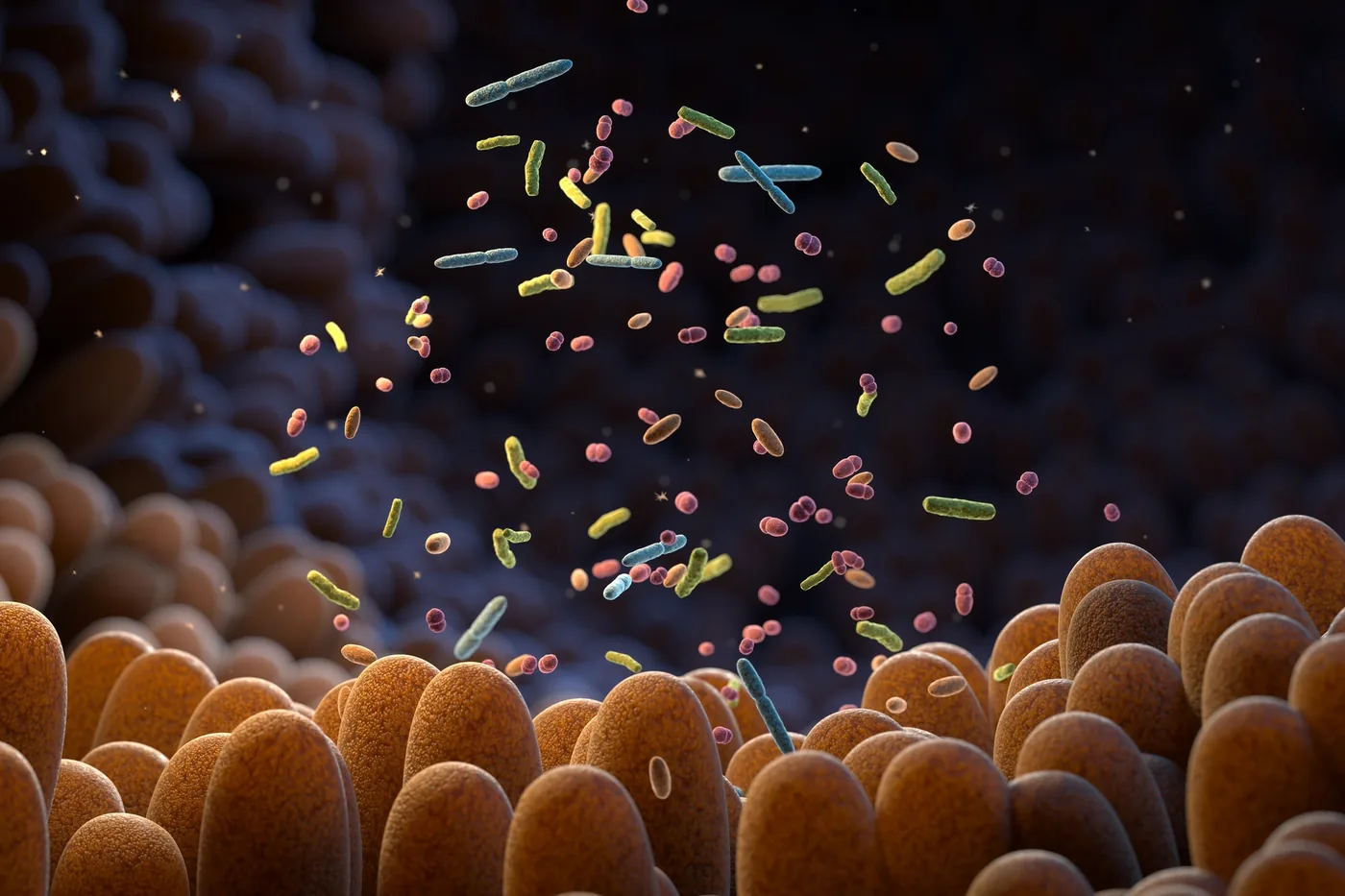
Your genes influence how efficiently your body absorbs and uses nutrients such as vitamins, minerals, and proteins. These variations affect enzyme activity and nutrient transport, shaping how your body converts food into energy.
By analysing these genetic patterns, we identify where additional nutritional support may be beneficial and which areas are naturally optimised, helping refine dietary choices with greater precision.
02Your metabolism and energy efficiency
Your genetic profile shows how your body converts food into usable energy. Variations in genes involved in mitochondrial function and nutrient breakdown influence how efficiently you produce and use energy throughout the day.
By analysing these pathways, we identify whether your body naturally tends toward faster or slower energy use, offering insight into performance capacity, recovery patterns, and endurance potential.
03Your risk factors for certain health conditions
Your genetic data can indicate variations linked to conditions such as cardiovascular disease, diabetes, inflammation, or lipid imbalance. These markers help identify areas where your biology may need additional monitoring or support.
By analysing these risk factors early, our reports provide the foundation for preventive strategies and precise lifestyle adjustments that help maintain optimal biological balance over time.
04How your body handles stress and inflammation
Your genes influence how your body reacts to stress, manages cortisol levels, and repairs after exposure to physical or emotional strain. Certain variations can make some people more sensitive to stress or slower to recover from inflammation.
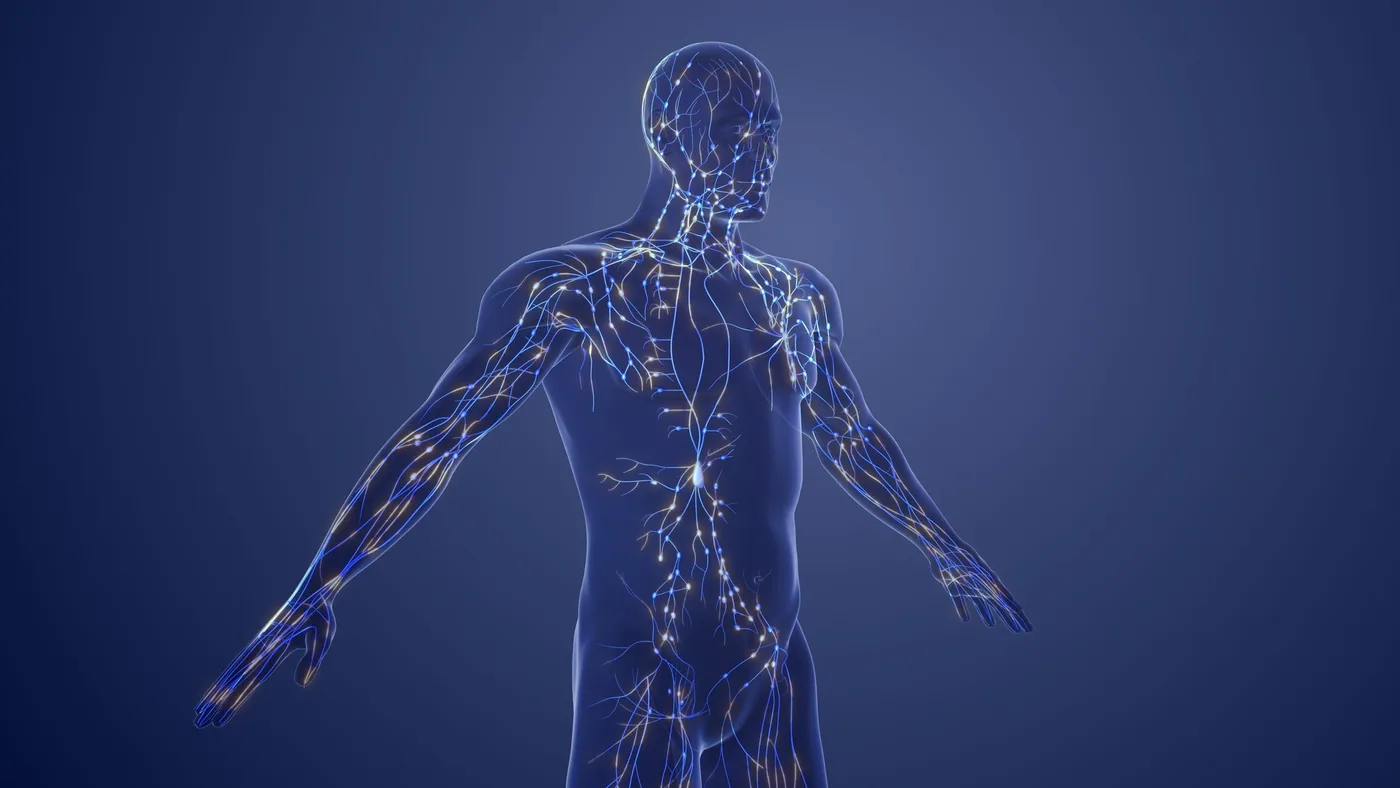
By identifying these genetic markers, our analysis highlights how your body regulates immune and inflammatory responses, offering insights that support recovery, resilience, and balanced physiological function.
05Your hormonal and sleep patterns
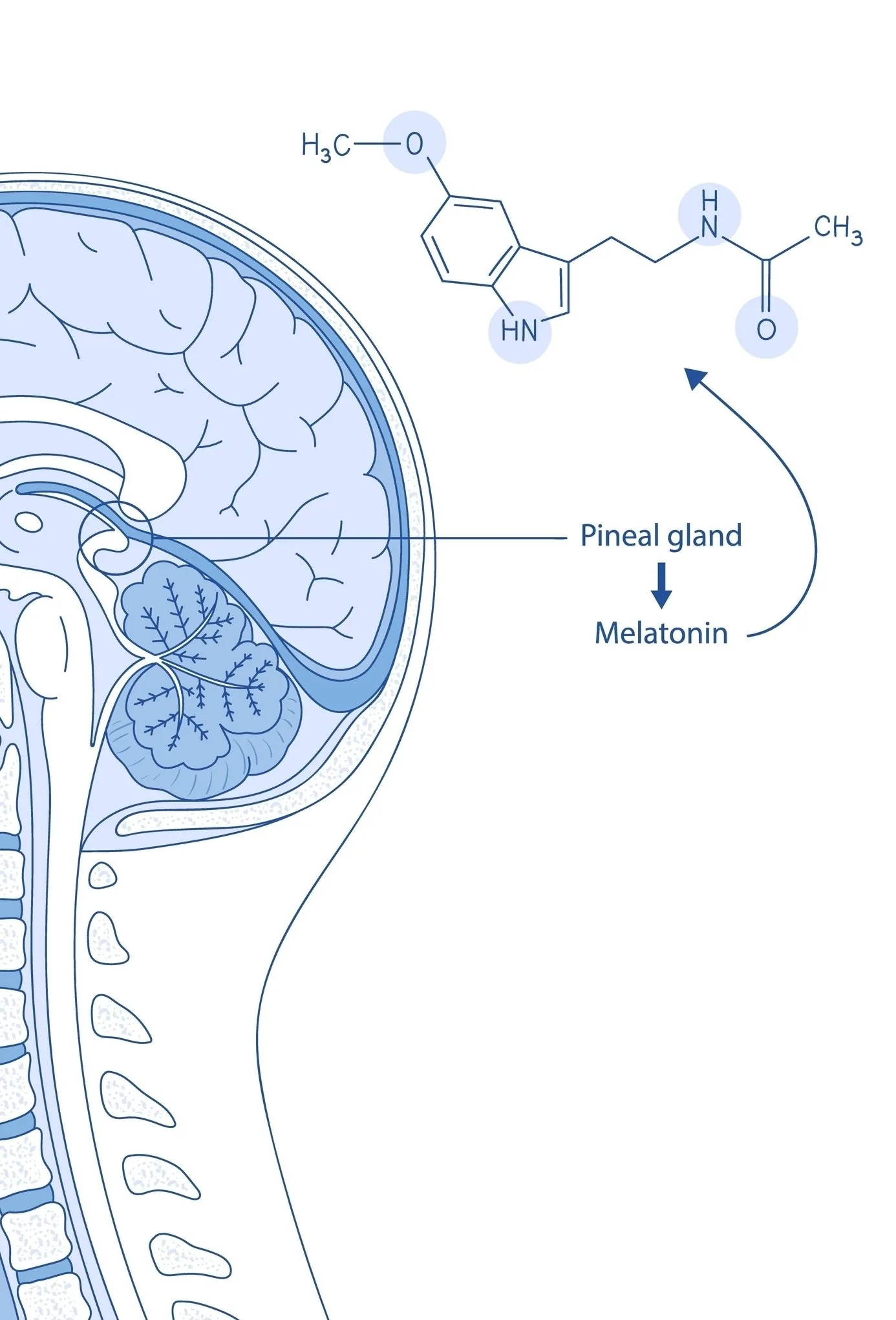
Your genes play a role in regulating hormones that control sleep cycles, energy levels, and overall rhythm. Variations in melatonin, cortisol, and circadian genes can influence how easily you fall asleep, how rested you feel, and how your body adapts to daily changes.
By examining these genetic pathways, our analysis provides insight into your natural biological rhythm and how to align your lifestyle for improved rest, focus, and recovery.
06Your cellular repair and ageing mechanisms
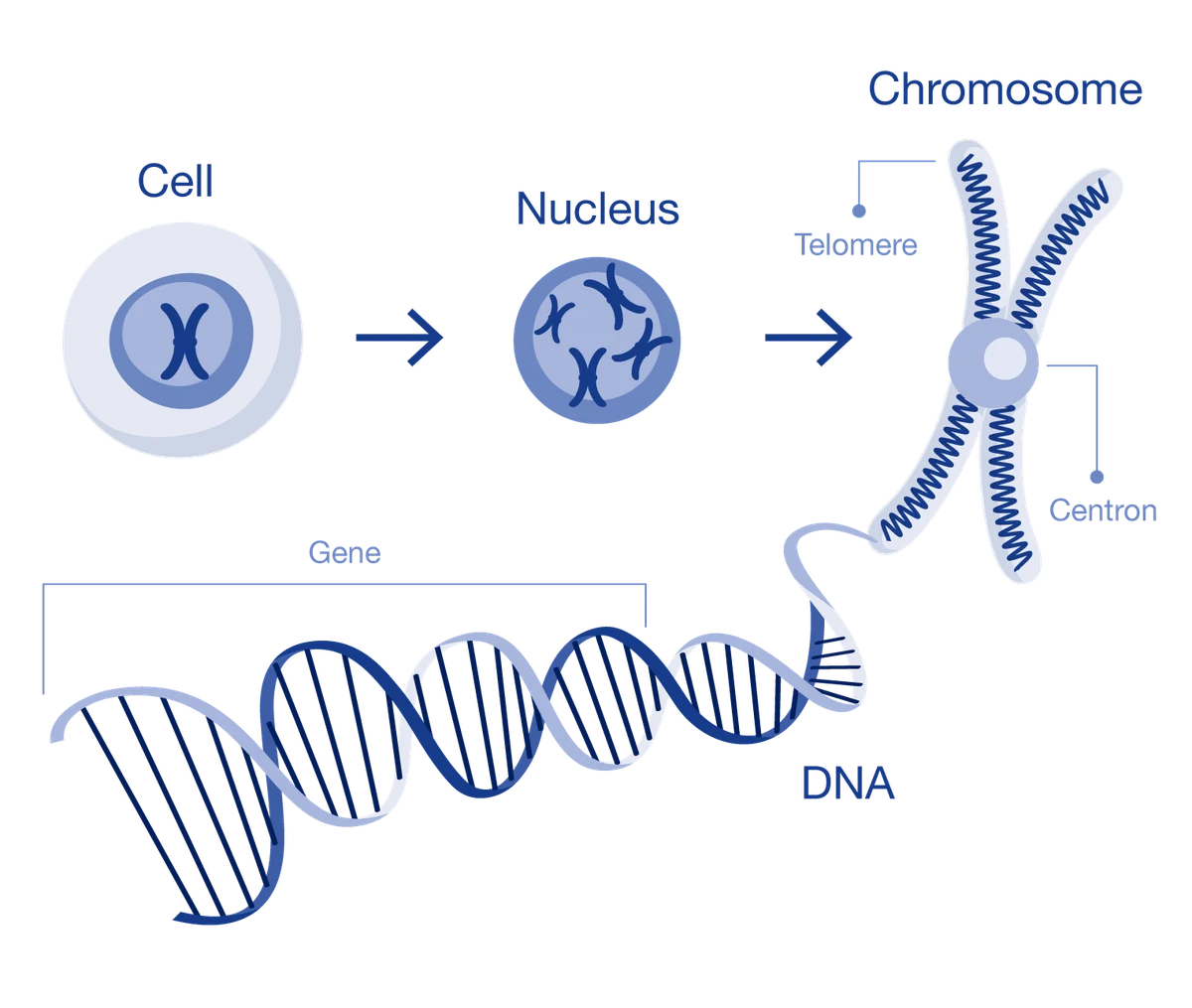
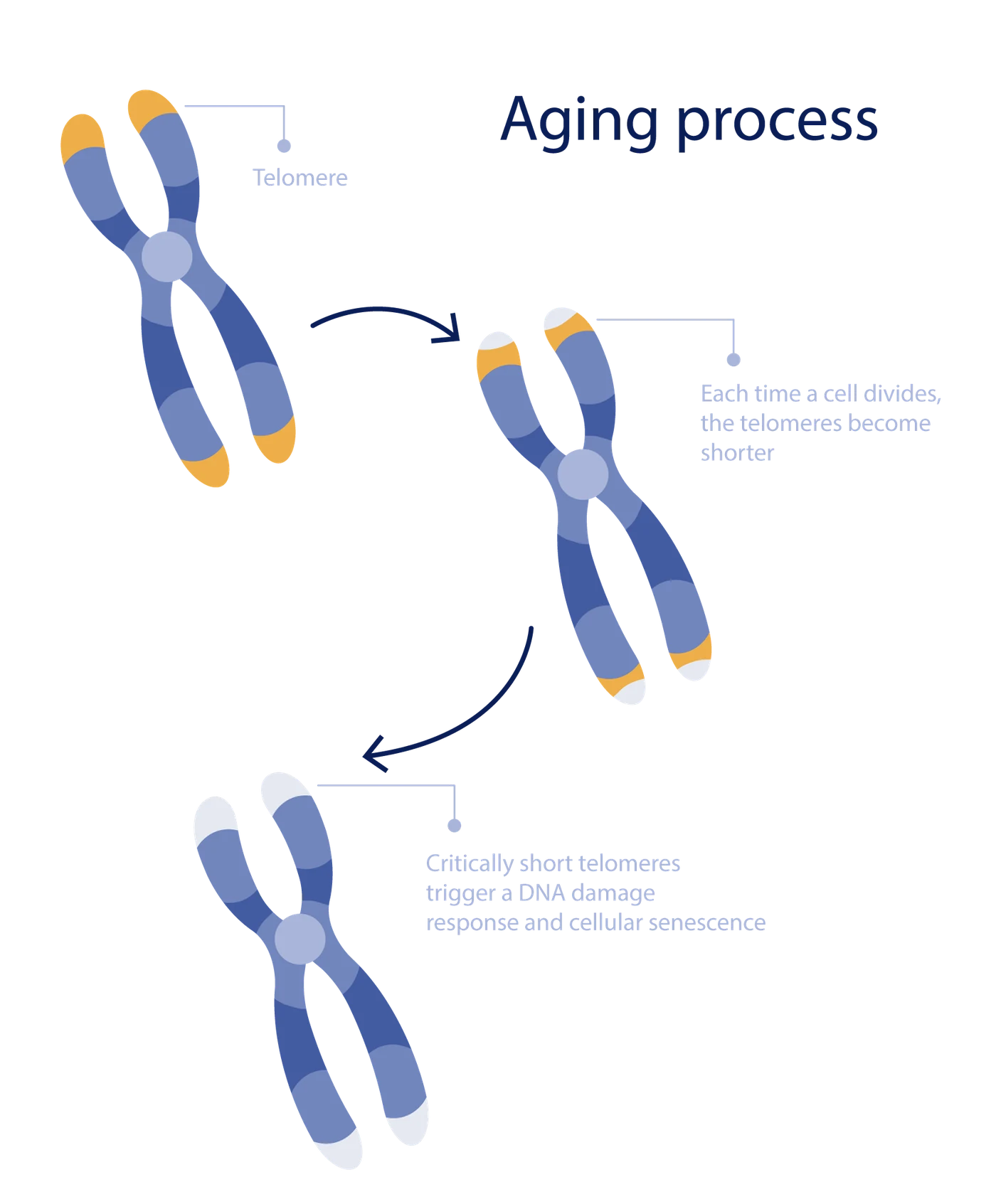
Your genes influence how effectively your cells repair DNA damage, maintain telomere length, and sustain healthy function over time. Variations in these pathways affect how quickly your cells renew and how resilient they remain under stress.
By analysing these ageing mechanisms, our reports highlight opportunities to strengthen cellular maintenance, delay biological ageing, and support long term vitality at the molecular level.
07Your detoxification and antioxidant capacity
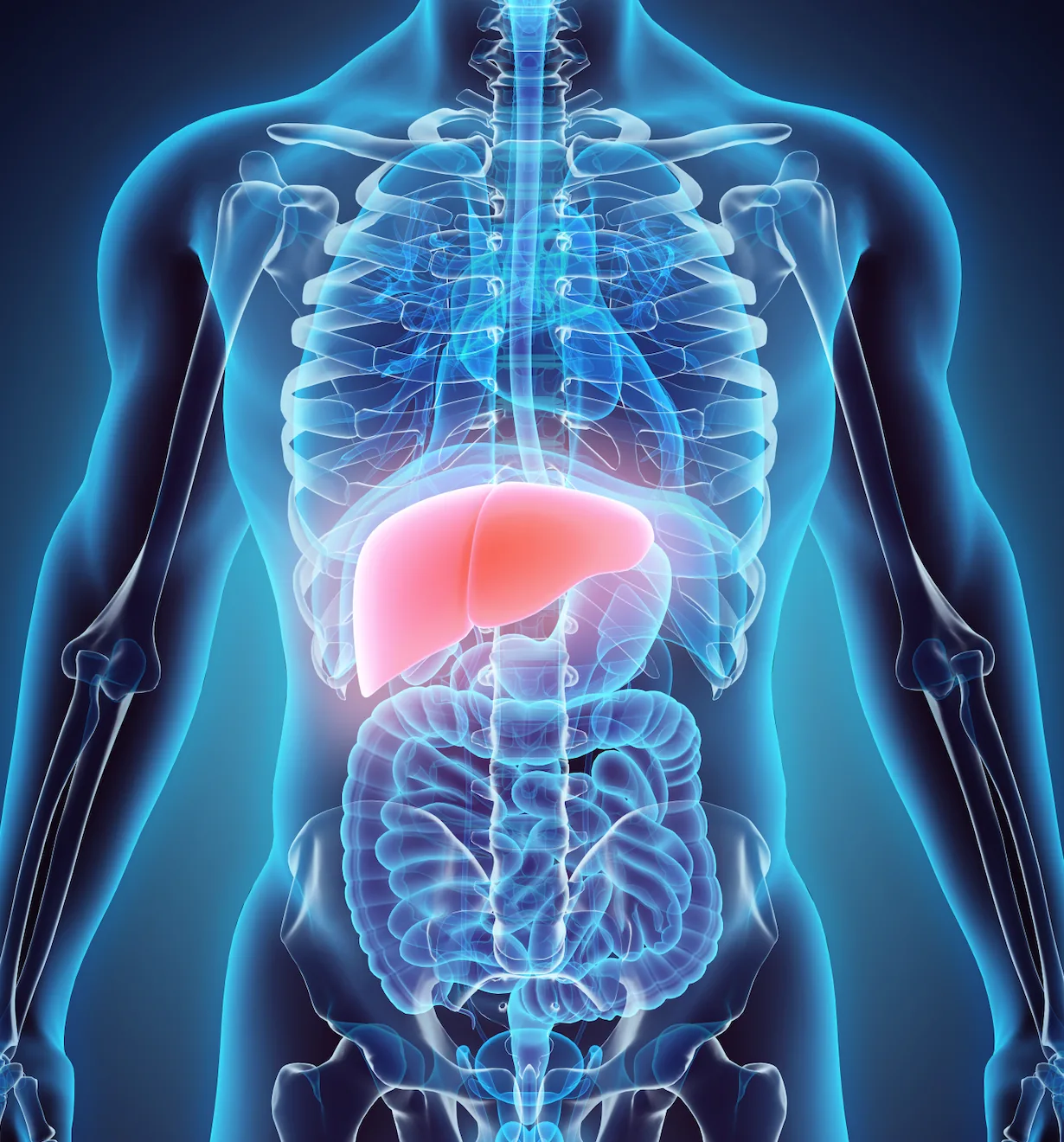
Your genes determine how efficiently your body neutralises toxins, processes environmental compounds, and defends against oxidative stress. Variations in these pathways can influence how well your liver enzymes and antioxidant systems function.
Through this analysis, you can see how your detoxification capacity operates at the molecular level and where additional nutritional or lifestyle support may strengthen cellular protection and recovery.
08Your mental health and cognitive tendencies
Your genetic makeup influences how neurotransmitters such as dopamine and serotonin are produced and regulated, affecting focus, emotional stability, and stress response. These variations help explain differences in mood balance, attention, and cognitive flexibility.
By analysing these pathways, our reports reveal how your brain processes information and adapts to stress, guiding strategies that support focus, resilience, and performance.
09Your genetic resilience and longevity potential
Your genes influence how your body maintains stability, repairs damage, and adapts with age. Variations in these pathways affect how efficiently your cells recover from stress and sustain long term function.
By examining these genetic indicators, our analysis uncovers how your biology supports resilience and longevity, offering a deeper view of the mechanisms that drive healthy ageing.