
Longevity Hub › Gut Health › Complete Guide
Gut health, cornerstone guide
How to improve your gut healthThe complete guide
Your gut affects far more than digestion. It shapes your skin, mood, energy, and immunity, and when it’s out of balance, your body often lets you know. The good news: your gut responds to how you live, so it’s something you can actually improve.
What is gut health, and why does it matter?
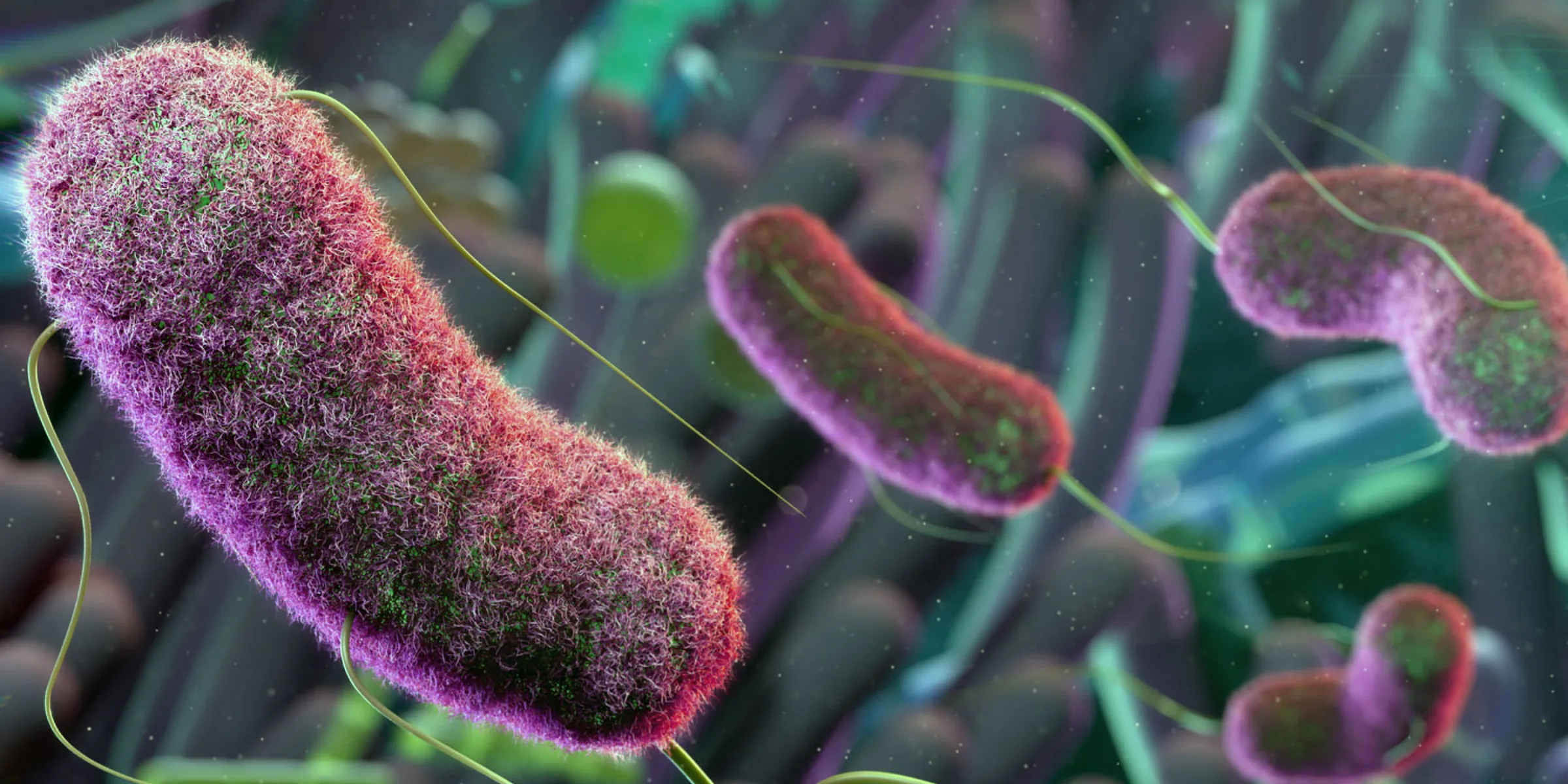
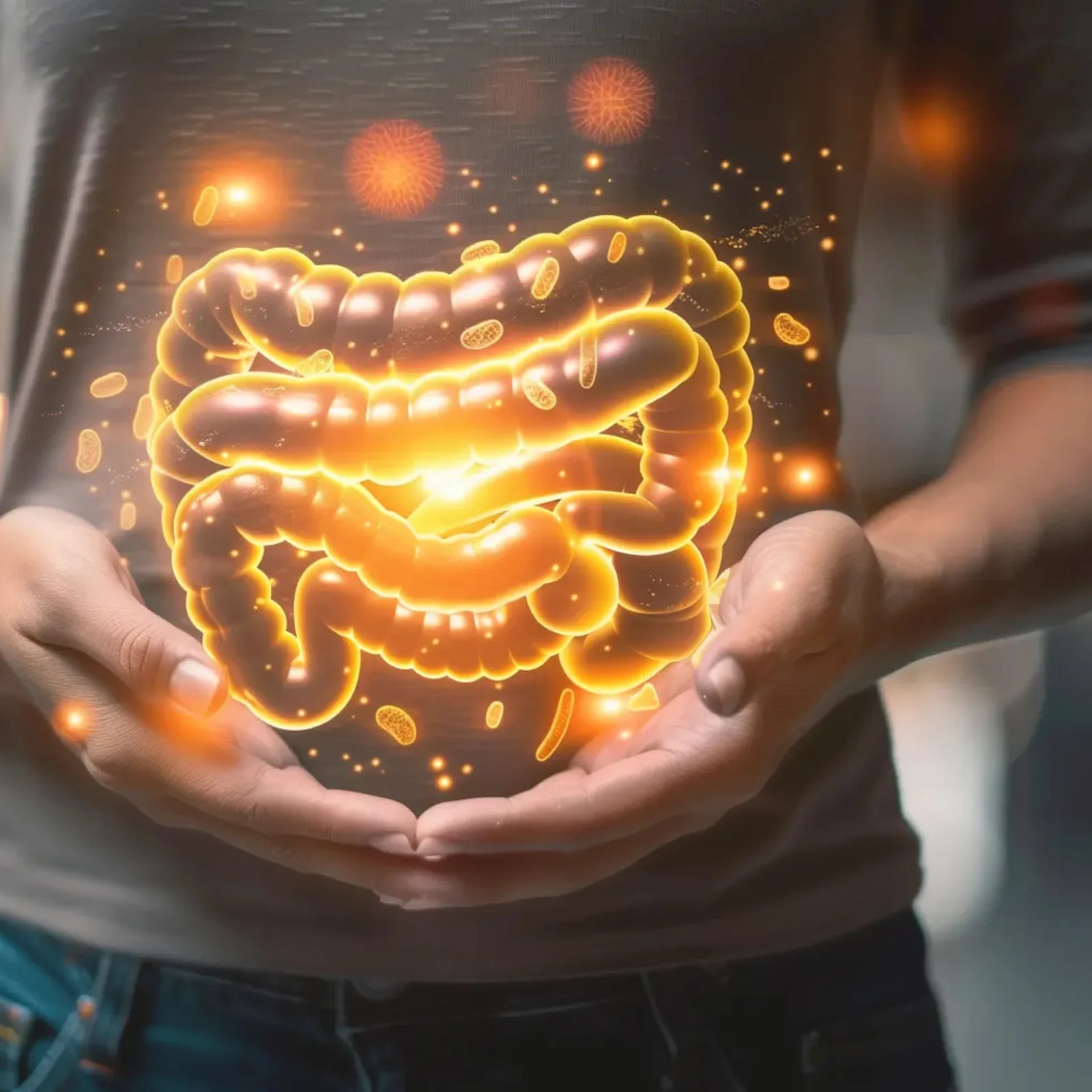
Gut health means having a balanced, diverse community of microbes in your digestive system, a gut that digests well, absorbs nutrients, and keeps inflammation low. Your gut is home to trillions of these microorganisms, together called the gut microbiome, and they help run digestion, immunity, metabolism, and even mood. When that balance is there, your body works smoothly. When it’s off, known as gut dysbiosis, the effects can show up all over, from your digestion to your skin and energy.
What are the signs of an unhealthy gut?
An unhealthy gut can show up in several ways, and not just in your digestion. The most common signs include:
- Bloating and gas
- Irregular bowel movements (diarrhoea or constipation)
- Skin issues like breakouts
- Low mood or brain fog
- Fatigue and poor sleep
These signs are more meaningful when they appear regularly or together, rather than on their own.
What causes an unhealthy gut?
Several everyday things can throw off your gut balance, often without you noticing. The most common causes include:
- A low fibre or highly processed diet
- Frequent antibiotic use
- Ongoing stress
- Poor sleep
These often add up over time rather than acting alone.
What foods support gut health?
The best foods for gut health are fibre rich foods, fermented foods, prebiotic foods, and polyphenol rich foods. These feed your good bacteria and support a diverse microbiome.
Fibre rich foods: vegetables, fruit, whole grains, legumes
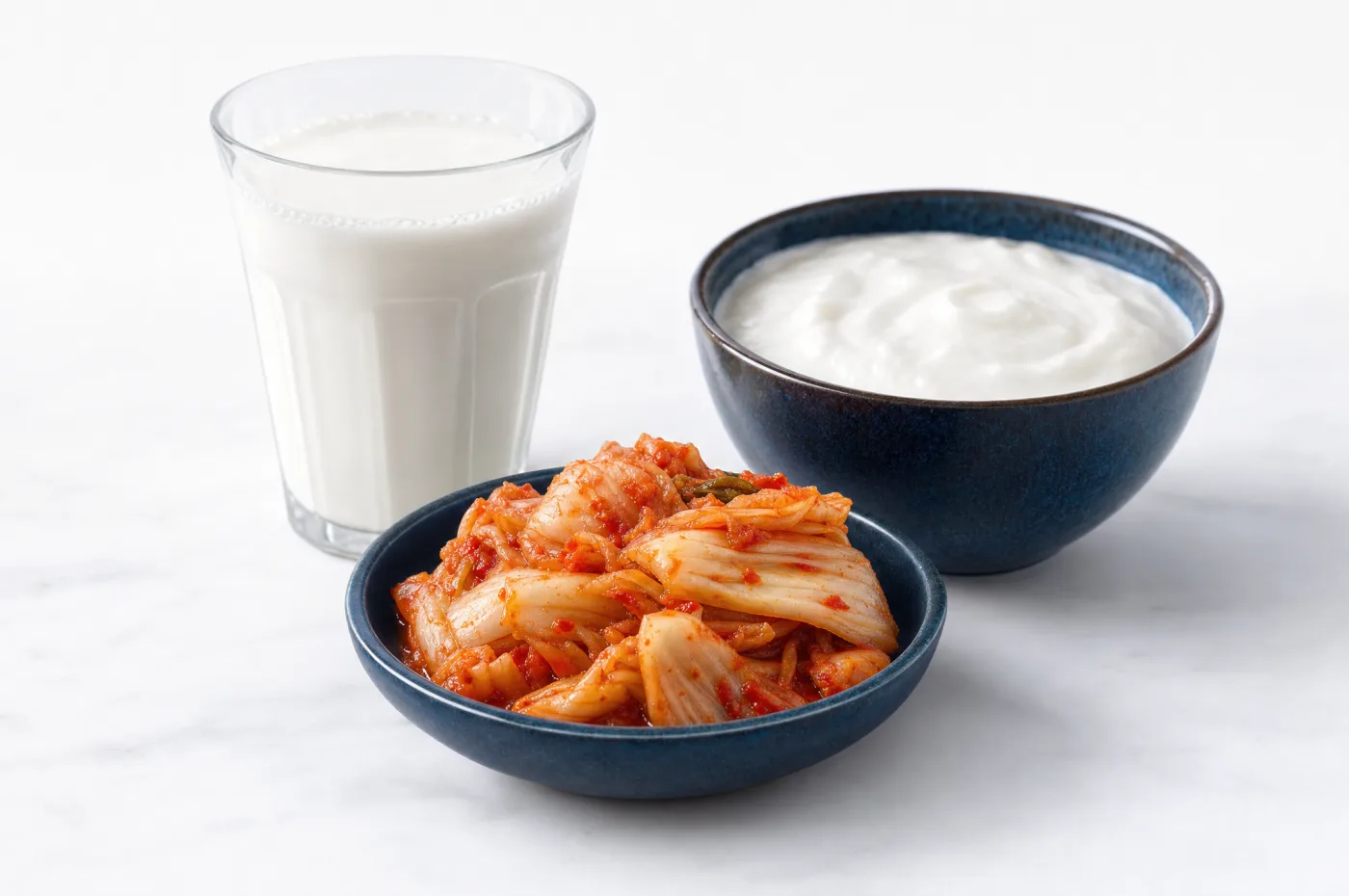
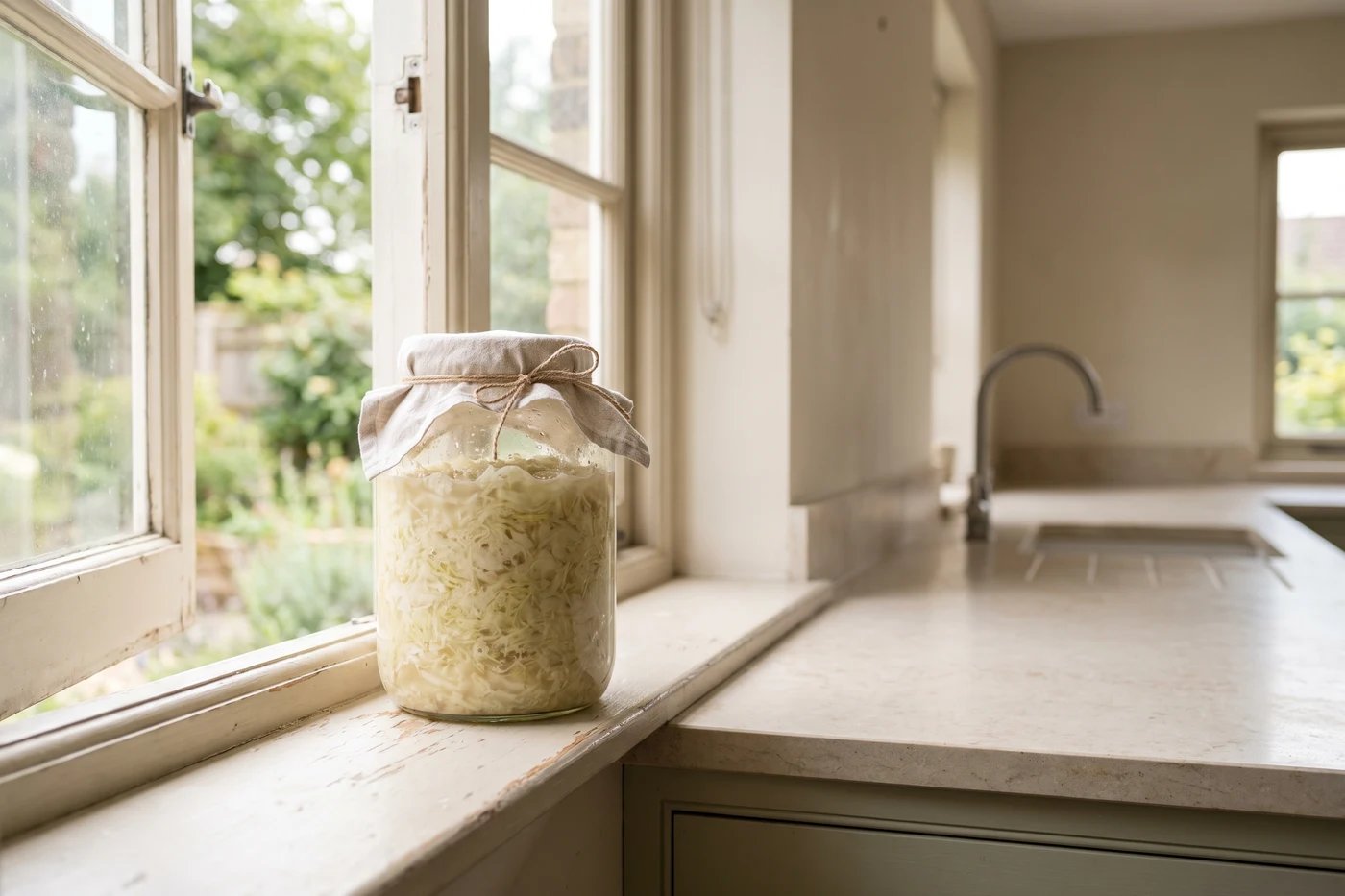
Fermented foods: yoghurt, kefir, sauerkraut, kimchi
Prebiotic foods: garlic, onions, bananas, oats
Polyphenol rich foods: berries, green tea, dark chocolate
A varied diet builds a more diverse gut, which is one of the clearest signs of good gut health.
How does gut health affect the rest of your body?
Your gut does far more than digest food. Through constant signals to your immune, hormonal, and nervous systems, it influences how you look, feel, and function. That’s why gut imbalance can show up in places you wouldn’t expect:
Skin: gut imbalance is linked to inflammatory skin issues, including breakouts and irritation, through the gut, skin connection
Mood: your gut and brain communicate through the gut, brain axis, and gut bacteria can influence chemicals involved in mood, stress and focus
Immunity: around 70% of your immune cells live in your gut, so a balanced microbiome helps your body defend itself
Energy and metabolism: your gut breaks down food, absorbs nutrients and produces metabolites that play a role in energy balance
When your gut is balanced, these systems tend to run smoothly. When it’s not, the effects can ripple out across your whole body.
How can you improve your gut health naturally?
You improve your gut health by feeding it well, lowering what disrupts it, and giving it time to rebalance. The main levers are:
Eat more fibre and variety: a wide range of plants, vegetables, fruit, whole grains and legumes feeds your good bacteria
Add fermented foods: yoghurt, kefir, sauerkraut and kimchi introduce helpful microbes
Cut ultra processed food and excess sugar: these feed the bacteria you want less of
Manage stress: ongoing stress affects your gut through the gut, brain connection
Prioritise sleep: poor sleep disrupts your microbiome; good sleep helps it recover
Move regularly: gentle, consistent movement supports digestion and a more diverse gut
Most of these work best together and over time. Your gut responds to consistency, not quick fixes.
How do you know what your gut actually needs?
The only way to know what your gut specifically needs is to test it, because everyone’s microbiome is different. The foods, habits and changes that help one person may do little for another, so general advice can only take you so far.
Testing your gut microbiome shows you your own picture, which bacteria are thriving, where the balance is off, and what that means for your digestion, skin, energy and mood. Instead of guessing, you get a clear starting point built around your body.
Questions
What are the worst foods for gut health?
The foods hardest on your gut are ultra processed foods, excess sugar, artificial sweeteners, and too much alcohol. These can feed less helpful bacteria and reduce microbial diversity over time.
Do supplements improve gut health?
Some supplements, like probiotics, may support gut health, but they work best alongside a balanced diet rather than in place of one. Because everyone’s gut is different, what actually helps depends on your individual microbiome.
How long does it take to improve gut health?
Your gut can begin to respond within a few days of dietary changes, but lasting improvement usually takes several weeks of consistency. The microbiome rebalances gradually, so steady habits matter more than quick fixes.
Can probiotics help your gut?
Probiotics may help support a healthy balance of gut bacteria, especially after things like antibiotics, but results vary from person to person. They work best as part of a wider gut friendly diet and lifestyle.
Longevity, in your inboxGet the latest from the Hub.
Evidence based guides on your gut, hormones, genes and healthspan, one thoughtful email a week.
Evidence based longevity, gut and DNA guides.