
Science, Systems Biology
Your body is a systemNot a list of parts
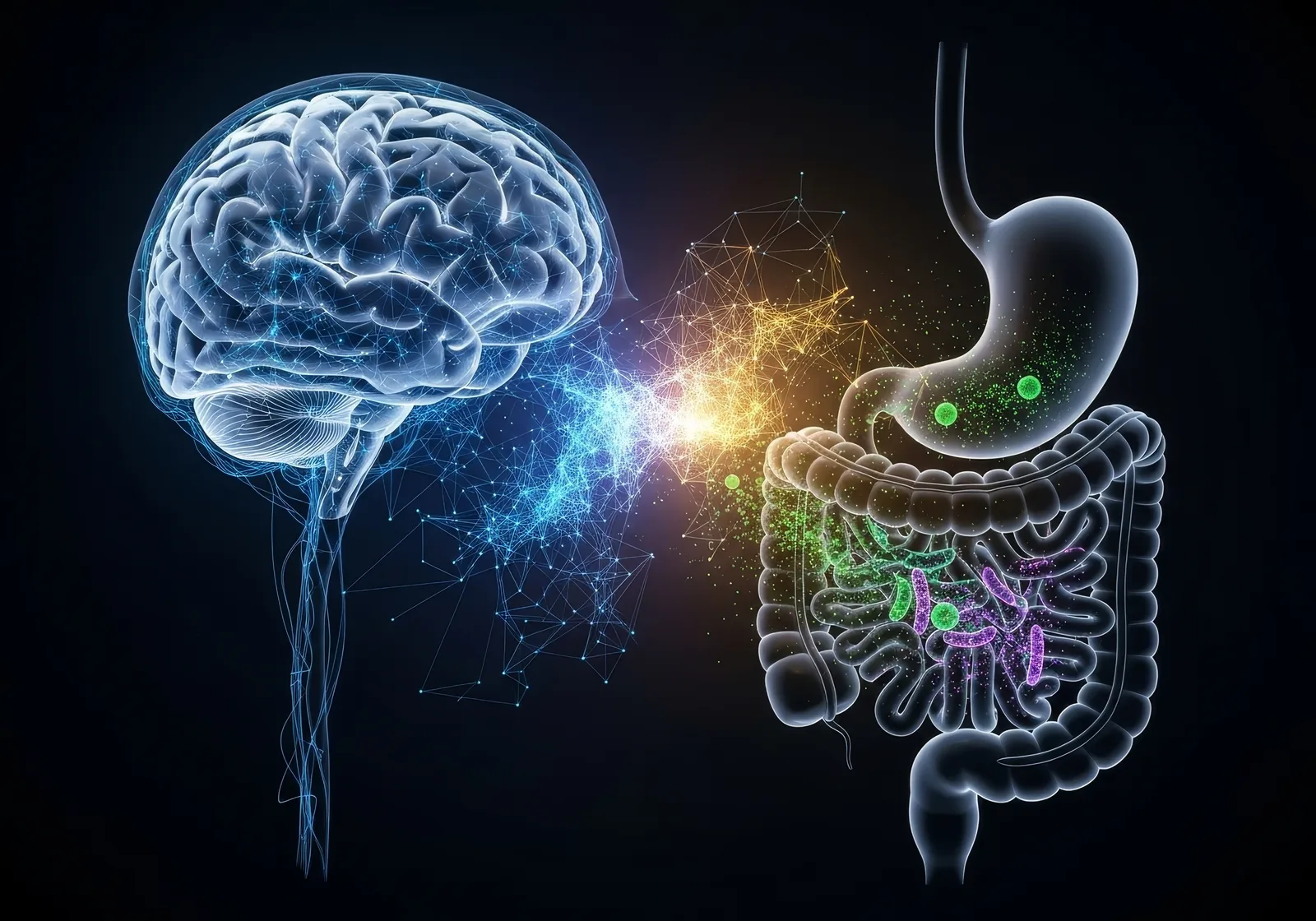
Genes, microbes, proteins and metabolites never act alone, they form networks. Systems Biology builds genome scale models of those networks, so we can see how a change in one place ripples through the rest, and find the lever that actually moves your health rather than chasing isolated numbers.

What Systems Biology does
Instead of reading markers one by one, we model the whole network, and let it tell us what matters.
- 01
Genome scale models
Mathematical models of the thousands of reactions running in your cells, personalised with your own genomic and microbiome data.
- 02
Networks, not numbers
We map how metabolism, immunity, inflammation and energy regulation connect, so a result is read in context, not isolation.
- 03
In silico simulation
We can simulate how your biology would respond to a change before you make it, to prioritise what’s genuinely worth doing.
- 04
Grounded in published science
Our approach builds on peer reviewed metabologenomics, including work published in Nature Reviews Genetics (2024) and Science Signaling (2020).
What this means for your results
A result becomes a story
Instead of a red or green marker, you see which pathway it sits in, what’s driving it, and how it links to the rest of your biology.
Advice becomes specific
The model points to the one or two changes most likely to move your markers, not a generic checklist that applies to everyone.
It sharpens as you add data
Every new test and Ring reading refines your personal model, so your guidance gets more precise over time.
See your biology as a systemRead your own biology.
Every Phenome test feeds one connected, systems level model of you.
Every test ships with its methods and references included.