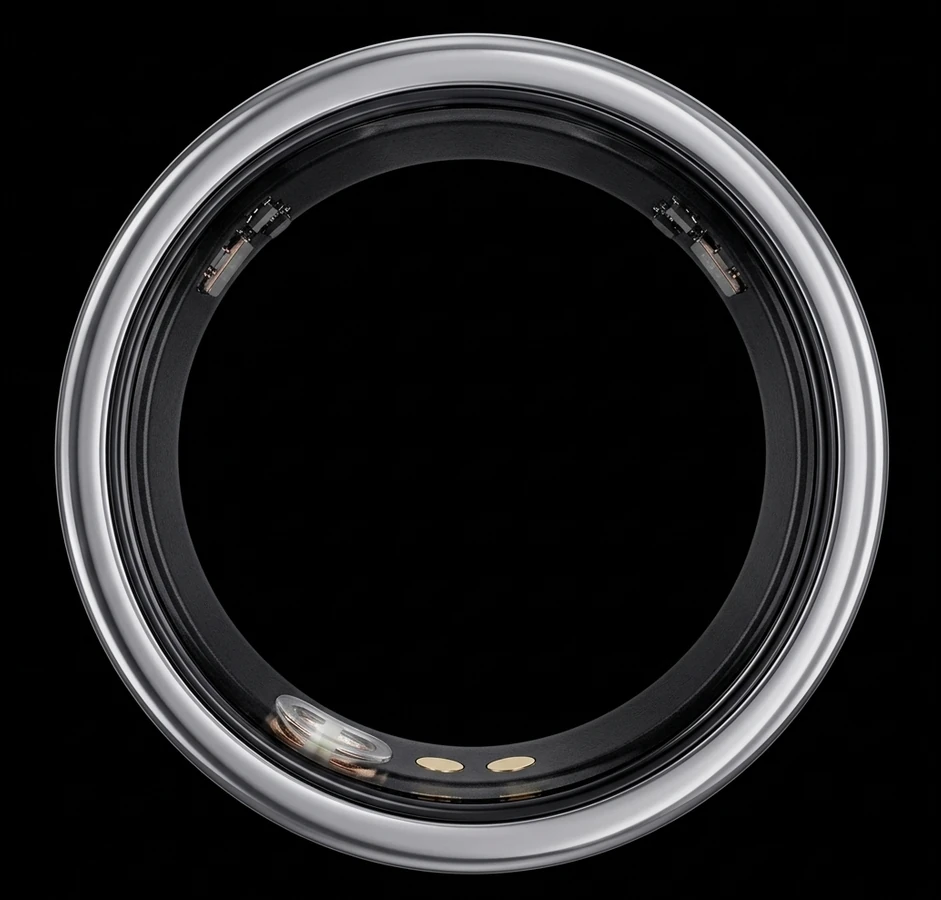
The ring settles into place on its own, the right way up
Status light
A soft light on the front shows the charge of the ring and the case
Full in 90 minutes
Up to 7 days of wear from one charge
USB C charging
Charge the case from the cable in the box or any laptop
Travel ready
A magnetic lid that stays shut in a bag, a pocket or a carry on
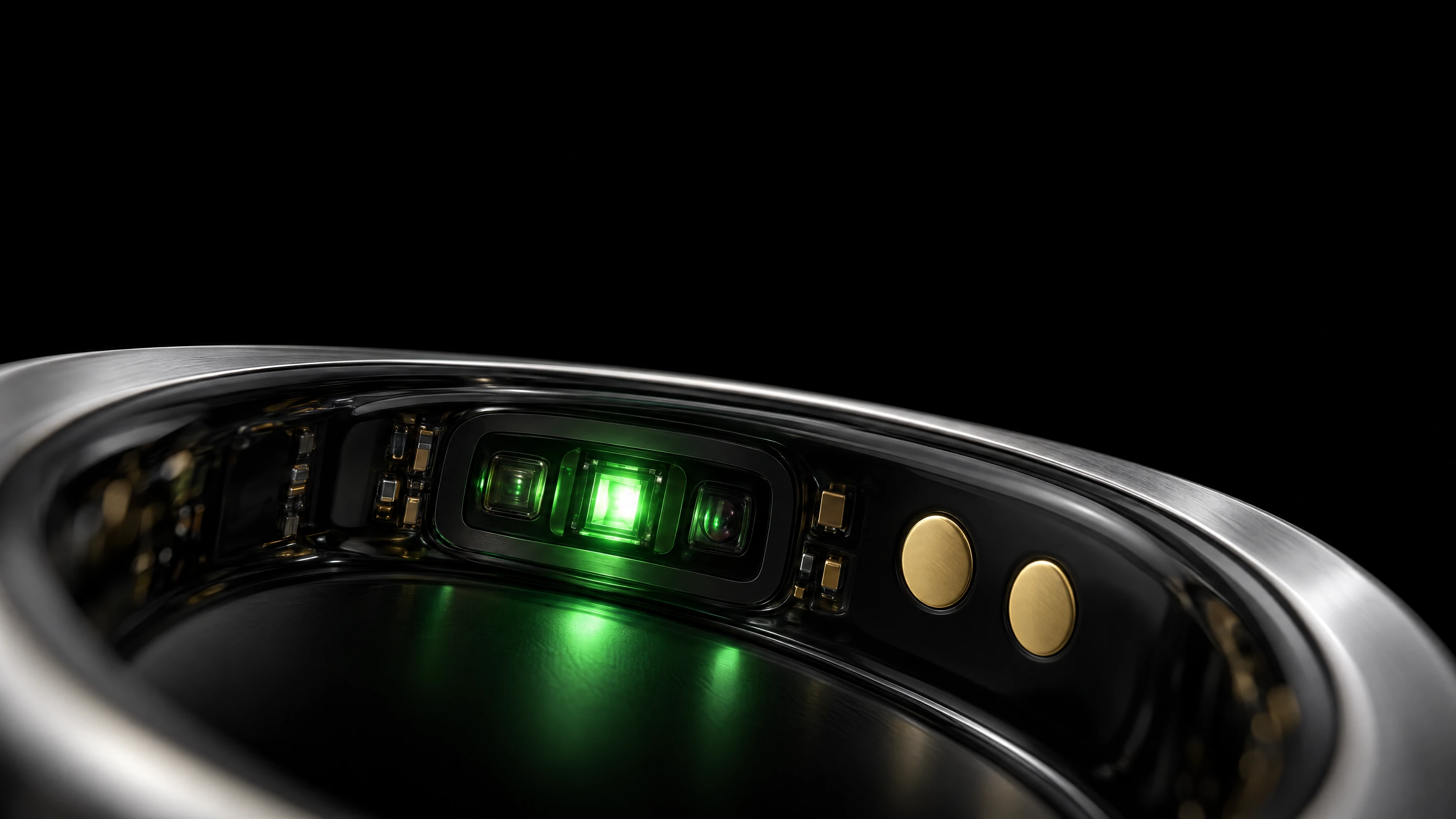
Biometrics, read continuouslyBy five sensors
Heart rateDay and night
Blood oxygenThrough the night
Heart rate variabilityEvery night
Sleep stagesLight, deep and rapid eye movement
MovementSteps, distance and calories
Blood pressureSystolic and diastolic
Skin temperature sensor3 axis accelerometerOptical heart rate sensorBlood oxygen sensor
Tuned to youInformed by data
9:41
Your Health Monitor
Sleep Score
DWM6MY
Today
86
Good
Your total sleep duration across all stages — light, deep, and REM. Consistent, adequate sleep is one of the strongest predictors of long-term health and cognitive performance.
Hours vs Needed
94%
Sleep Consistency
88%
Sleep Efficiency
91%
Last Night
Duration
7:48 hours
Restorative
3:12 hours
Your Usual Range
Awake0:21
Light Sleep4:15
Deep Sleep1:36
REM1:36
9:41
Your Health Monitor
Last Night
Duration
7:48 hours
Restorative
3:12 hours
Your Usual Range
Awake0:21
Light Sleep4:15
Deep Sleep1:36
REM1:36
Restorative Sleep
Today
3:12 hours ▲
Yesterday
2:47 hours ●
Hours vs Needs
Today
94 % ▲
Yesterday
88 % ●
Hours of Sleep7:48
Sleep Needed8:18
9:41
Your Health Monitor
Heart Rate
DWM6MY
Today
LATEST
69BPM
Normal, in typical range
Your heart rate reflects how hard your heart works throughout the day. Monitoring trends helps you understand your cardiovascular response to activity, stress, and recovery.
Your Usual Range
Heart Rate · Daily · Average
68BPM
Daily Changes Are Normal
Heart rate rises with movement and stress and falls during rest. These fluctuations are a normal sign of healthy autonomic function.
Heart Rate · Daily · Range
51 - 93BPM
Longevity Analysis
Your resting heart rate is within a healthy range today, reflecting good cardiovascular fitness and recovery.
Highest
93BPM
5:00 PM
Lowest
51BPM
1:10 AM
Influencing Factors
Recovery Status
Incomplete recovery from exercise or illness can keep your resting heart rate elevated.
Caffeine & Stimulants
Caffeine blocks adenosine receptors, increasing heart rate for several hours after consumption.
Aerobic Fitness
Consistent cardio training increases stroke volume, allowing a lower resting heart rate.
About Heart Rate
Resting heart rate reflects how efficiently your heart pumps blood while at rest. It can be influenced by fitness level, sleep quality, stress, hydration, medications, and overall cardiovascular health. Small daily variations are normal.
9:41
Your Health Monitor
Heart Rate Variability
DWM6MY
Today
LATEST
45ms
Normal, in typical range
Heart rate variability measures the variation in time between consecutive heartbeats. Higher HRV generally indicates better autonomic flexibility, recovery capacity, and resilience to stress.
Your Usual Range
Heart Rate Variability · Daily · Average
51ms
Daily Changes Are Normal
Heart rate variability changes based on sleep quality, stress, and recovery. Day-to-day variation is expected and reflects normal nervous system activity.
Heart Rate Variability · Daily · Range
41 - 67ms
Longevity Analysis
Your HRV is within a healthy range today, reflecting good autonomic balance and recovery.
Highest
67ms
5:40 AM
Lowest
41ms
1:00 PM
About Heart Rate Variability
Heart rate variability (HRV) measures the variation in time intervals between heartbeats. Unlike heart rate, which counts beats per minute, HRV reflects how adaptable your nervous system is. Higher variability typically signals better cardiovascular fitness, stress resilience, and recovery.
9:41
Your Health Monitor
Blood Oxygen (SpO₂)
DWM6MY
Today
LATEST
99%
Normal, in typical range
Blood oxygen (SpO₂) measures the percentage of oxygen carried by your red blood cells. Healthy levels support cellular energy production, brain function, and overall recovery.
Your Usual Range
Blood Oxygen (SpO₂) · Daily · Average
98%
Daily Changes Are Normal
Blood oxygen levels can dip briefly during sleep or physical exertion. Small fluctuations are normal and typically self-correct with regular breathing.
Blood Oxygen (SpO₂) · Daily · Range
97 - 99%
Longevity Analysis
Your blood oxygen is within a healthy range today, indicating efficient oxygen delivery throughout your body.
Highest
99%
6:20 PM
Lowest
97%
2:40 AM
Influencing Factors
Altitude & Environment
Higher altitudes and poor air quality reduce available oxygen, lowering SpO₂ readings.
Sleep Position
Sleeping on your back can restrict airways and temporarily reduce blood oxygen levels.
Hydration
Dehydration thickens blood and reduces oxygen transport efficiency to tissues.
About Blood Oxygen (SpO₂)
Blood oxygen, also known as SpO₂, measures the percentage of oxygen carried by your red blood cells. It reflects how efficiently oxygen is being delivered throughout your body and can be influenced by sleep, altitude, breathing patterns, and overall recovery.
9:41
Your Health Monitor
Respiratory Rate
DWM6MY
Today
LATEST
16rpm
Normal, in typical range
Respiratory rate measures how many breaths you take per minute at rest. Elevated rates can signal stress, illness, or reduced recovery, while stable rates indicate balanced autonomic function.
Your Usual Range
Respiratory Rate · Daily · Average
14rpm
Daily Changes Are Normal
Respiratory rate naturally fluctuates day to day. A single higher reading does not necessarily indicate illness or concern.
Respiratory Rate · Daily · Range
13 - 16rpm
Longevity Analysis
Your respiratory rate is within a healthy range today, reflecting balanced autonomic function and normal recovery.
Highest
16rpm
7:30 PM
Lowest
13rpm
5:40 AM
Influencing Factors
Sleep Quality
Poor or fragmented sleep can elevate breathing rate during rest and recovery periods.
Stress & Anxiety
Chronic stress activates your sympathetic nervous system, increasing respiration even at rest.
Respiration per Minute (rpm). Your respiratory rate measures how many breaths you take per minute. It's a subtle but important indicator of your overall health and recovery, helping you understand how your body responds to daily activity, stress, and sleep patterns.
9:41
Your Health Monitor
Blood Pressure
DWM6MY
Today
LATEST
SYSTOLIC
123mmHg
DIASTOLIC
77mmHg
Normal, in typical range
Blood pressure tracks the force of blood against your artery walls during heartbeats (systolic) and between beats (diastolic). Maintaining healthy levels is essential for cardiovascular longevity.
Your Usual Range
Blood Pressure · Daily · Average
114mmHg
Daily Changes Are Normal
Blood pressure shifts throughout the day due to posture, hydration, meals, and stress. Brief changes between readings are expected and normal.
Blood Pressure · Daily · Range
102 - 123 / 63 - 81mmHg
Longevity Analysis
Your blood pressure is within a healthy range today, reflecting good cardiovascular balance.
Highest Systolic
123mmHg
Highest Diastolic
81mmHg
Lowest Systolic
102mmHg
Lowest Diastolic
63mmHg
Influencing Factors
Sodium Intake
High salt consumption causes water retention, increasing blood volume and arterial pressure.
Stress & Sleep
Chronic stress and poor sleep both elevate cortisol, which raises blood pressure over time.
Physical Activity
Regular aerobic exercise strengthens the heart, allowing it to pump blood with less effort.
About Blood Pressure
Blood pressure measures the force of blood pushing against your artery walls as your heart beats and rests. Systolic pressure (the top number) reflects the pressure in your arteries when your heart beats. Diastolic pressure (the bottom number) reflects the pressure when your heart relaxes between beats.
Sleep score
A score out of 100 for every night, with your hours against what you need, how regular your sleep was and how efficient.
9:41
Your Health Monitor
Sleep Score
DWM6MY
Today
86
Good
Your total sleep duration across all stages — light, deep, and REM. Consistent, adequate sleep is one of the strongest predictors of long-term health and cognitive performance.
Hours vs Needed
94%
Sleep Consistency
88%
Sleep Efficiency
91%
Last Night
Duration
7:48 hours
Restorative
3:12 hours
Your Usual Range
Awake0:21
Light Sleep4:15
Deep Sleep1:36
REM1:36
Last night
Time awake and in light, deep and REM sleep, each set against your own usual range.
9:41
Your Health Monitor
Last Night
Duration
7:48 hours
Restorative
3:12 hours
Your Usual Range
Awake0:21
Light Sleep4:15
Deep Sleep1:36
REM1:36
Restorative Sleep
Today
3:12 hours ▲
Yesterday
2:47 hours ●
Hours vs Needs
Today
94 % ▲
Yesterday
88 % ●
Hours of Sleep7:48
Sleep Needed8:18
Heart rate
Day and night, with your usual range drawn behind it.
9:41
Your Health Monitor
Heart Rate
DWM6MY
Today
LATEST
69BPM
Normal, in typical range
Your heart rate reflects how hard your heart works throughout the day. Monitoring trends helps you understand your cardiovascular response to activity, stress, and recovery.
Your Usual Range
Heart Rate · Daily · Average
68BPM
Daily Changes Are Normal
Heart rate rises with movement and stress and falls during rest. These fluctuations are a normal sign of healthy autonomic function.
Heart Rate · Daily · Range
51 - 93BPM
Longevity Analysis
Your resting heart rate is within a healthy range today, reflecting good cardiovascular fitness and recovery.
Highest
93BPM
5:00 PM
Lowest
51BPM
1:10 AM
Influencing Factors
Recovery Status
Incomplete recovery from exercise or illness can keep your resting heart rate elevated.
Caffeine & Stimulants
Caffeine blocks adenosine receptors, increasing heart rate for several hours after consumption.
Aerobic Fitness
Consistent cardio training increases stroke volume, allowing a lower resting heart rate.
About Heart Rate
Resting heart rate reflects how efficiently your heart pumps blood while at rest. It can be influenced by fitness level, sleep quality, stress, hydration, medications, and overall cardiovascular health. Small daily variations are normal.
Heart rate variability
The small changes in time between heartbeats, read through the day and the night.
9:41
Your Health Monitor
Heart Rate Variability
DWM6MY
Today
LATEST
45ms
Normal, in typical range
Heart rate variability measures the variation in time between consecutive heartbeats. Higher HRV generally indicates better autonomic flexibility, recovery capacity, and resilience to stress.
Your Usual Range
Heart Rate Variability · Daily · Average
51ms
Daily Changes Are Normal
Heart rate variability changes based on sleep quality, stress, and recovery. Day-to-day variation is expected and reflects normal nervous system activity.
Heart Rate Variability · Daily · Range
41 - 67ms
Longevity Analysis
Your HRV is within a healthy range today, reflecting good autonomic balance and recovery.
Highest
67ms
5:40 AM
Lowest
41ms
1:00 PM
About Heart Rate Variability
Heart rate variability (HRV) measures the variation in time intervals between heartbeats. Unlike heart rate, which counts beats per minute, HRV reflects how adaptable your nervous system is. Higher variability typically signals better cardiovascular fitness, stress resilience, and recovery.
Blood oxygen
How much oxygen your blood is carrying, with your usual range beside it.
9:41
Your Health Monitor
Blood Oxygen (SpO₂)
DWM6MY
Today
LATEST
99%
Normal, in typical range
Blood oxygen (SpO₂) measures the percentage of oxygen carried by your red blood cells. Healthy levels support cellular energy production, brain function, and overall recovery.
Your Usual Range
Blood Oxygen (SpO₂) · Daily · Average
98%
Daily Changes Are Normal
Blood oxygen levels can dip briefly during sleep or physical exertion. Small fluctuations are normal and typically self-correct with regular breathing.
Blood Oxygen (SpO₂) · Daily · Range
97 - 99%
Longevity Analysis
Your blood oxygen is within a healthy range today, indicating efficient oxygen delivery throughout your body.
Highest
99%
6:20 PM
Lowest
97%
2:40 AM
Influencing Factors
Altitude & Environment
Higher altitudes and poor air quality reduce available oxygen, lowering SpO₂ readings.
Sleep Position
Sleeping on your back can restrict airways and temporarily reduce blood oxygen levels.
Hydration
Dehydration thickens blood and reduces oxygen transport efficiency to tissues.
About Blood Oxygen (SpO₂)
Blood oxygen, also known as SpO₂, measures the percentage of oxygen carried by your red blood cells. It reflects how efficiently oxygen is being delivered throughout your body and can be influenced by sleep, altitude, breathing patterns, and overall recovery.
Respiratory rate
Breaths per minute, read through the day and the night.
9:41
Your Health Monitor
Respiratory Rate
DWM6MY
Today
LATEST
16rpm
Normal, in typical range
Respiratory rate measures how many breaths you take per minute at rest. Elevated rates can signal stress, illness, or reduced recovery, while stable rates indicate balanced autonomic function.
Your Usual Range
Respiratory Rate · Daily · Average
14rpm
Daily Changes Are Normal
Respiratory rate naturally fluctuates day to day. A single higher reading does not necessarily indicate illness or concern.
Respiratory Rate · Daily · Range
13 - 16rpm
Longevity Analysis
Your respiratory rate is within a healthy range today, reflecting balanced autonomic function and normal recovery.
Highest
16rpm
7:30 PM
Lowest
13rpm
5:40 AM
Influencing Factors
Sleep Quality
Poor or fragmented sleep can elevate breathing rate during rest and recovery periods.
Stress & Anxiety
Chronic stress activates your sympathetic nervous system, increasing respiration even at rest.
Respiration per Minute (rpm). Your respiratory rate measures how many breaths you take per minute. It's a subtle but important indicator of your overall health and recovery, helping you understand how your body responds to daily activity, stress, and sleep patterns.
Blood pressure
Systolic and diastolic through the day, each with its usual range, and the day's highest and lowest.
9:41
Your Health Monitor
Blood Pressure
DWM6MY
Today
LATEST
SYSTOLIC
123mmHg
DIASTOLIC
77mmHg
Normal, in typical range
Blood pressure tracks the force of blood against your artery walls during heartbeats (systolic) and between beats (diastolic). Maintaining healthy levels is essential for cardiovascular longevity.
Your Usual Range
Blood Pressure · Daily · Average
114mmHg
Daily Changes Are Normal
Blood pressure shifts throughout the day due to posture, hydration, meals, and stress. Brief changes between readings are expected and normal.
Blood Pressure · Daily · Range
102 - 123 / 63 - 81mmHg
Longevity Analysis
Your blood pressure is within a healthy range today, reflecting good cardiovascular balance.
Highest Systolic
123mmHg
Highest Diastolic
81mmHg
Lowest Systolic
102mmHg
Lowest Diastolic
63mmHg
Influencing Factors
Sodium Intake
High salt consumption causes water retention, increasing blood volume and arterial pressure.
Stress & Sleep
Chronic stress and poor sleep both elevate cortisol, which raises blood pressure over time.
Physical Activity
Regular aerobic exercise strengthens the heart, allowing it to pump blood with less effort.
About Blood Pressure
Blood pressure measures the force of blood pushing against your artery walls as your heart beats and rests. Systolic pressure (the top number) reflects the pressure in your arteries when your heart beats. Diastolic pressure (the bottom number) reflects the pressure when your heart relaxes between beats.
Sleep
Your nights, in full detail.
Light, deep and REM sleep, and the moments you wake, with your heart rate, blood oxygen and breathing through the night.
Design
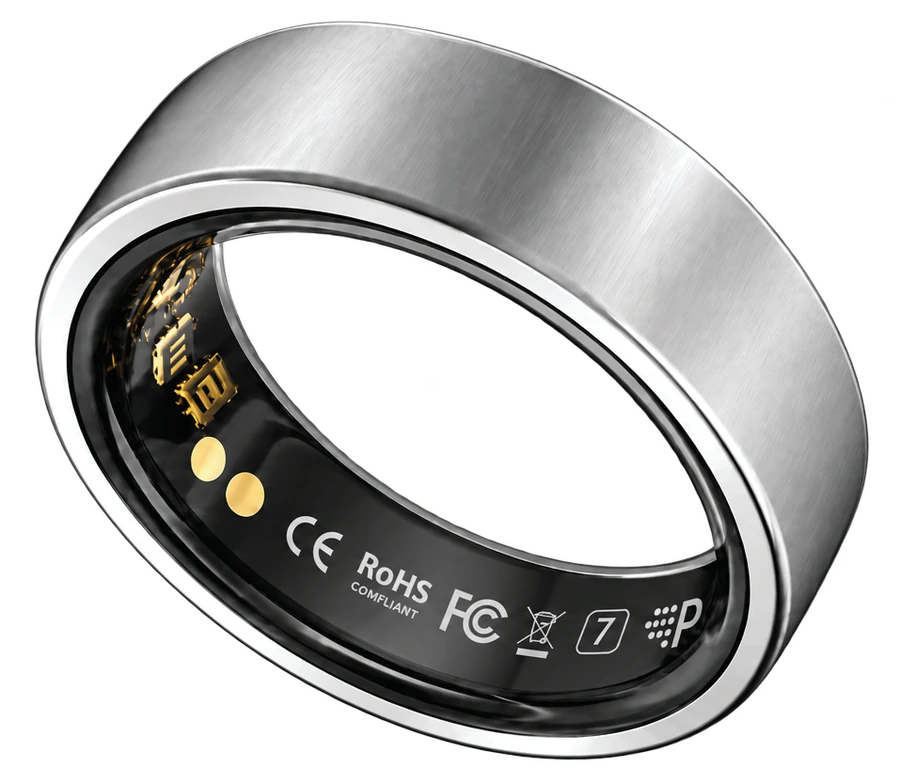
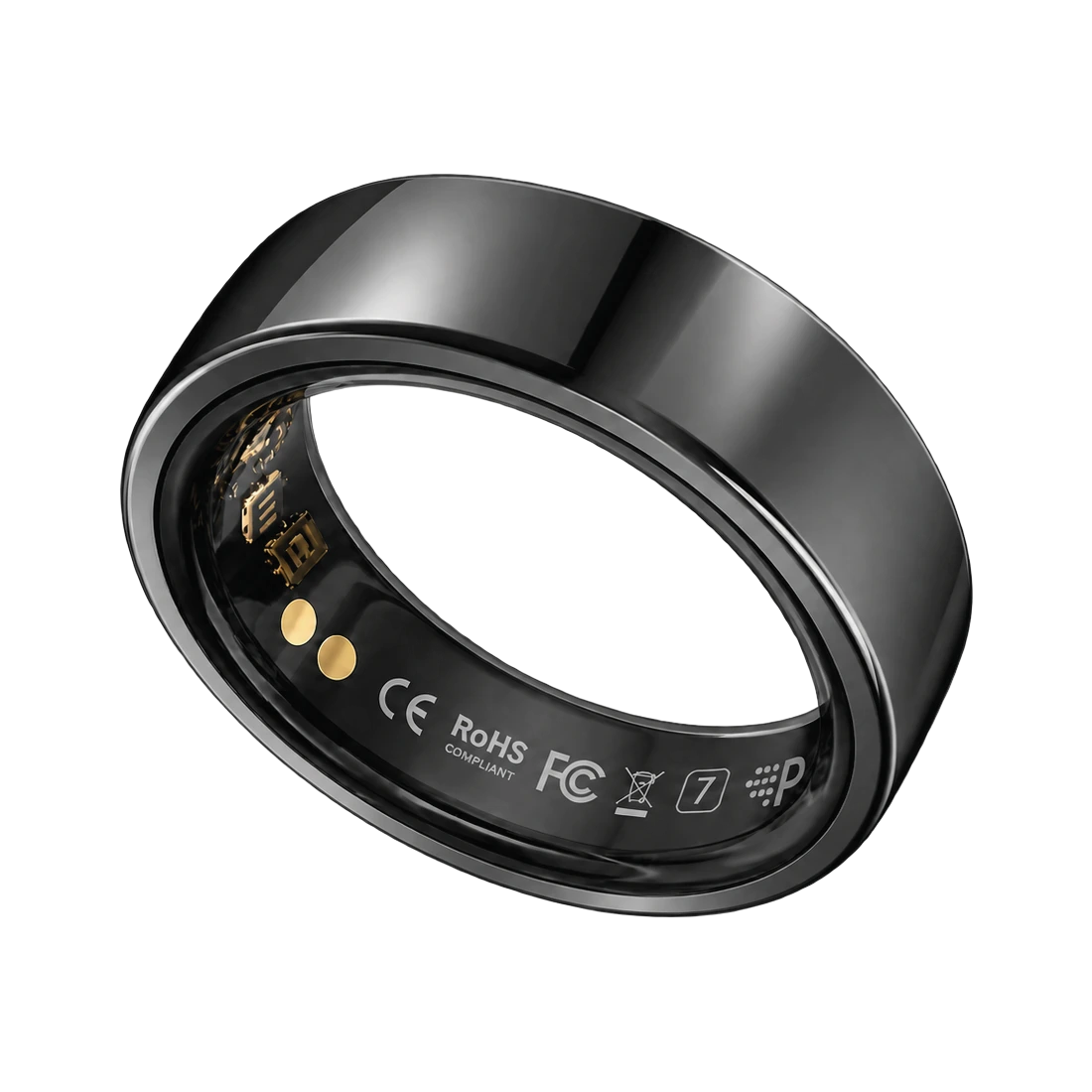
Nine finishes.
Three ceramics and six metals, all the same Ring inside.